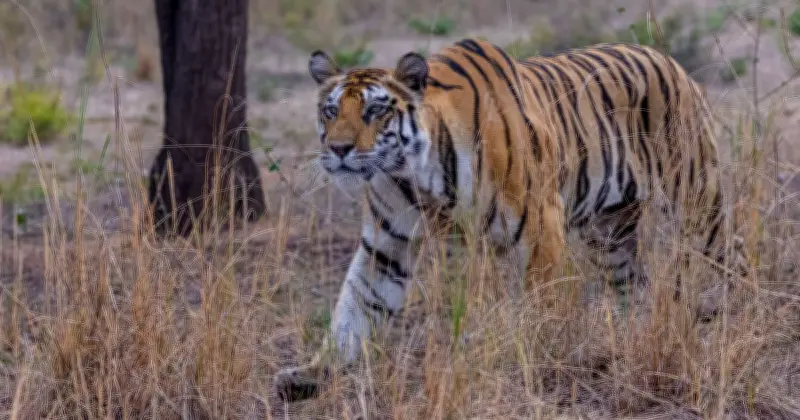
Global wild tiger numbers increased by more than 70% between 2010 and 2025, rising from around 3,200 to 5,700, according to a charity report. The recovery is described as the first documented reversal of the species' long-term decline.
Species making comebacks
Atlantic bluefin tuna have returned to UK waters in large numbers, drawn by an abundance of prey like sardines, mackerel, and herring. Southern African elephants are stable or growing in many areas where local communities lead land management.
Beavers and white-tailed eagles are among other species staging comebacks. Captive breeding and reintroductions have helped European bison return from extinction in the wild to 10 countries in just over 50 years.
Global decline persists
The WWF Living Planet report warns that vertebrate wildlife populations globally have declined by an average of 73% since 1970, driven by habitat loss, overexploitation and climate change. The decline was most pronounced in Latin America at minus 95% and in freshwater populations at minus 85%.
The assessment measures changes in the sizes of 35,803 populations of 5,970 species of birds, fish, mammals, reptiles and amphibians, using methods ranging from camera traps and scat analysis to aerial surveys. It also found that half of the studied populations were stable or increasing.
Calls for coordinated action
Tanya Steele, chief executive at WWF UK, said: "Nature loss is not just a crisis for wildlife. It’s already sending us the bill through growing risks to our food security, water supplies, economy and resilience to climate shocks. The extreme weather we’ve seen this summer is a stark reminder of what's at stake."
Steele added: "We stand at a fork in the road: either we continue paying the rising price of nature loss, or we invest in nature’s recovery and a future where people and wildlife can thrive together. The window to secure that future is closing fast, but successful conservation efforts from tuna to tigers show that we can succeed."
Dr Louise McRae, at ZSL’s Institute of Zoology, said: "This year’s Living Planet Index shows the need for rapid action to address the continued decline in biodiversity. However, behind every global statistic is evidence of wildlife populations rebounding and habitats recovering, driven by people working together to reverse biodiversity loss."
UK special representative for nature, Ruth Davis, said: "Nature loss is a serious economic and security risk. This report makes abundantly clear the urgency of the action needed at home and abroad. The UK is absolutely committed to turning round this decline."