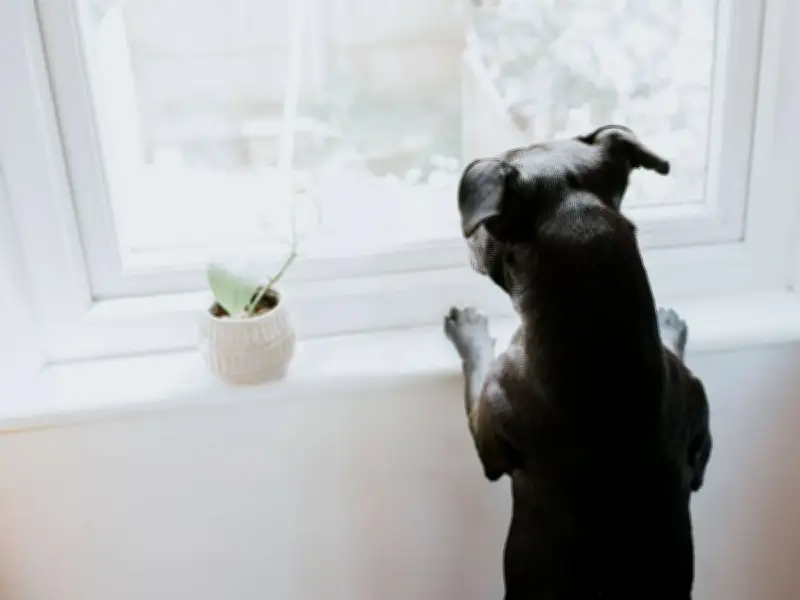
Some dog breeds are far more susceptible to separation anxiety than others, so if you are frequently away from home, it is crucial to choose a dog that will be content spending time alone. According to Furbo, one of the most commonly affected breeds is also one of the UK's most beloved.
What is separation anxiety?
Separation anxiety is a clinical panic and behavioural disorder in dogs that triggers intense fear or distress when they are left alone. It can develop from not being taught how to cope on its own as a puppy, or from changes in routine, such as moving house or periods of stress.
Common signs of separation anxiety include persistent barking, whining or crying, along with destructive behaviour such as chewing furniture or scratching at doors. Some dogs may also soil the home and become visibly distressed, pacing, panting, or drooling excessively as they watch you get ready to leave.
How can I help my dog?
Training a dog out of separation anxiety can be a real challenge. One approach worth trying is practising leaving for short periods, then gradually extending the time away to help them adjust. Avoid making a big fuss when you leave or when you come back home. Keep both your departure and return a calm, low-key experience for your dog.
Never punish your dog for their anxiety — this will only make matters worse. If your dog is severely anxious, it is advisable to speak to a vet about coping strategies or possible medications that could help keep your dog settled.
Which breeds are prone?
While any dog can develop separation anxiety, certain breeds are more susceptible due to their highly sociable nature. As a general rule, no dog breed should be left alone for more than six to eight hours. Puppies, however, should never be left alone for longer than an hour or so, as they require constant care and attention. Older dogs also need greater companionship, so leaving them alone for more than a couple of hours is not recommended.
Labrador Retrievers, despite their typically laid-back temperament, are highly prone to separation anxiety. They are extremely sociable animals who thrive on human company above all else. Border Collies are exceptionally intelligent and, as a result, require a great deal of mental stimulation. On top of this, they have very high energy levels and need plenty of physical exercise. Consequently, if left alone for lengthy periods, they can become bored and stressed, which may ultimately lead to anxiety.
Cavalier King Charles Spaniels, bred specifically as human companions, have an innate need to be close to their owners. They tend to be more anxious by nature, and when left alone, that anxiety can escalate rapidly. Long periods of solitude are likely to trigger excessive barking and destructive behaviour. Jack Russells, despite their small stature, are bursting with energy. They become bored quickly and require plenty of physical activity and stimulation to keep destructive tendencies at bay. Their compact size is deceptive; they are capable of causing a remarkable amount of damage when left to their own devices.
German Shepherds, as a working breed, demand a great deal of exercise to remain happy and healthy. Left alone with nothing to do, they can swiftly develop anxiety-related issues. The Australian Shepherd, another working breed, may be smaller than its German counterpart, but it requires every bit as much exercise and mental stimulation. Extended periods of solitude can leave them anxious and restless. Bichon Frisés, much like spaniels, were bred to keep people company and simply do not fare well on their own. Left alone for too long, they can become profoundly lonely and develop signs of depression and anxiety.