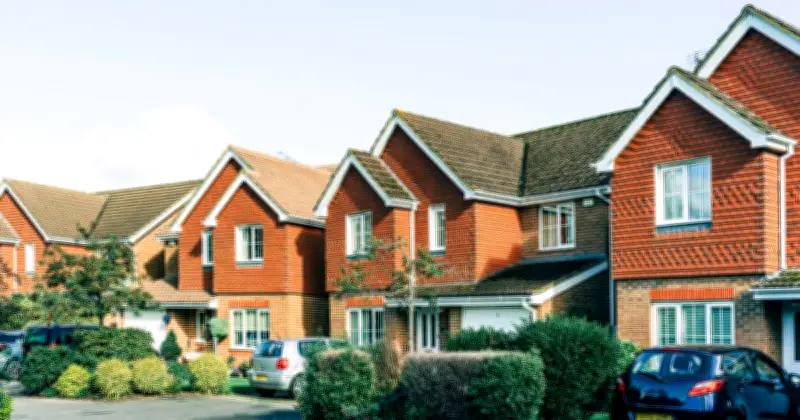
Getting home to find someone else in your usual parking spot can quickly turn into a neighbourhood row. What you can do depends on whether the space is on the public road, on your land, or formally allocated to you.
Public highway parking
Many drivers assume the space outside their home belongs to them because they use it most often. In reality, if it is part of the public highway, it is typically available on a first-come, first-served basis. The Highway Code tells motorists to park safely and considerately, including avoiding obstruction and ensuring access for others, but it does not generally give residents a legal right to the kerb space outside their property.
Private driveways and boundaries
If the area is a private driveway or within your boundary, someone parking there without permission may be trespassing. This is usually a civil issue rather than a criminal one. If you are unsure where your boundary falls, the starting point is your property's legal paperwork, not assumptions or long-standing habit. HM Land Registry guidance explains that title registers and title plans can help clarify what land is included with a property.
Allocated bays in flats and developments
Flats and newer housing developments can be more complicated because parking is often controlled by lease terms or estate regulations. Your lease, transfer deed, or management-company rules may specify an allocated bay or grant a right to use certain spaces. If you have an allocated bay and a neighbour is using it repeatedly, it may be worth raising it with the landlord, factor, or managing agent. In many developments, enforcement is done through internal processes, such as warnings or breach-of-lease steps, rather than police action.
Obstruction and access issues
A separate issue is when a vehicle blocks access, for example preventing you from getting your car off your drive. Police forces and local authorities often treat obstruction differently from ordinary parking disputes, particularly where a dropped kerb or access is affected. If the vehicle is on the road and breaking parking restrictions, your local council may be the right route, as they handle most civil parking enforcement. Councils can also advise what they can and cannot act on where there are no yellow lines but access is being impeded.
Resolving disputes calmly
Most disputes are easier to solve early, before positions harden. Government guidance on neighbour disputes encourages talking first where it is safe to do so, and using mediation if direct conversations do not work. It is also important not to escalate by blocking the other driver in, tampering with their vehicle, or trying to arrange removal yourself. Citizens Advice recommends keeping things calm, logging repeated incidents, and taking further steps only if informal resolution fails.
Keeping records and seeking advice
If the problem becomes persistent, start keeping a short record of dates, times and photos, especially if access is blocked or signage or allocations are being ignored. That evidence can help if you need to involve a managing agent, a mediator, or seek independent legal advice.
Ultimately, the key question is whether the space is public highway, private land, or an allocated bay backed by legal documents. You may not be able to reserve the road outside your home, but you can have stronger options when the space is part of your property or formally assigned to you.