Brits are being urged to move their bird feeders away from underneath trees this autumn to prevent the spread of a lethal disease among garden birds.
Autumn is a crucial time for birds as food sources become harder to find, making garden feeders a vital lifeline. However, dirty feeders can pose a serious danger, with the parasitic disease trichomonosis proving lethal for many bird populations. The disease is mostly spread through saliva and contaminated food and water sources.
Risk of infection increases at busy feeding stations
During the autumn months, birds increasingly rely on garden feeders, and busy feeding stations can become hotspots. As birds gather closely around the same food and water sources, it can increase the risk of infection spreading between them.
The RSPB advises households to clean bird feeders at least once a week with hot soapy water, clearing away any old food or droppings from around the feeders and disinfecting surfaces with non-toxic or mild solutions.
Why moving your bird feeder is recommended
Placing a bird feeder underneath a tree might seem like the obvious solution, but it can be really dangerous. Since this is where birds tend to gather and roost, it's a hotspot for droppings, and this is how disease can spread.
Moving the bird feeder to a different area of the garden, like near a house wall, will help to prevent this contamination.
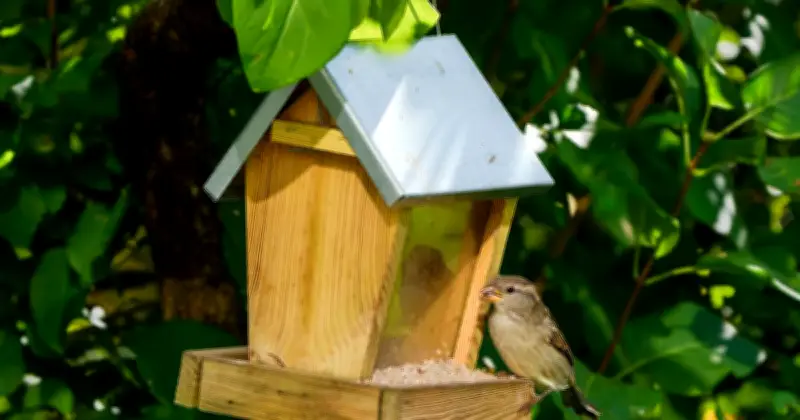
The material of a feeder can also play a significant role in hygiene, with traditional wooden feeders in particular being susceptible to bacteria. Classic wooden feeders are more porous and can hide bacteria in cracks and crevices, making them harder to thoroughly clean and disinfect, while also attracting pests.
Standard plastic feeders are easier to wipe down but can degrade under prolonged UV exposure. For the best of both worlds, outdoor experts recommend recycled plastic feeders – combining smooth, easy-clean surfaces with superior weatherproofing and durability.
How to clean your bird feeder
Kym Barlow from TDP said: "Trichomonosis is a serious threat to garden bird populations, and contaminated feeders are one of the primary ways it spreads. But it’s easy to underestimate how quickly they can become a health hazard."
"A few minutes of cleaning each week can make a real difference to the birds visiting your garden, and it really helps protect local wildlife."
Wearing rubber gloves, empty the feeder and dispose of the contents in an outdoor household bin. Then, fill a bucket with hot, soapy water and dampen the surfaces of the feeder with water. Clean the feeder with a brush, scrubbing off any food and droppings. Finally, rinse with cold water under an outside tap and leave the feeder to stand and dry completely.