The RSPB has issued a warning to bird lovers, urging them to reconsider their feeding habits this summer to protect declining starling and greenfinch populations. New data from the charity's Big Garden Birdwatch reveals that starling numbers have reached record lows for the second consecutive year, with a further 3 per cent decline. Overall, starling populations have plummeted by 85.1 per cent since the survey began in 1979.
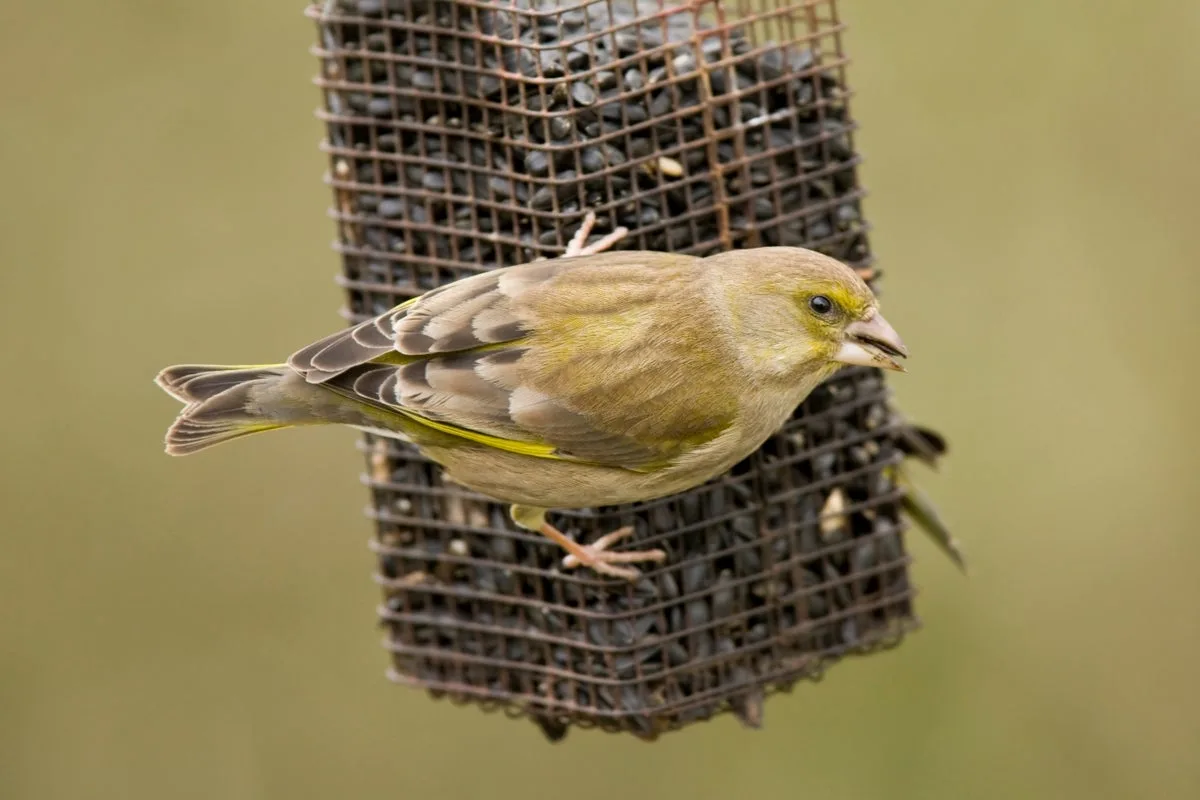
Greenfinches, despite a modest 2.3 per cent increase this year, remain two-thirds lower than in 1979. The species has been particularly devastated by trichomonosis, a disease that spreads more easily when birds gather around feeders in summer and autumn. Both species are now on the conservation 'red list'.
RSPB scientists warn that songbirds are vulnerable to diseases spread at bird feeders. Beccy Speight, the charity's chief executive, said: 'We're not asking people to stop feeding, just to feed in a way that protects birds' long-term health.' The RSPB recommends seasonal feeding, including pausing seed and peanuts during summer and autumn, while small amounts of mealworms, fat balls or suet are safe year-round.
Other recommendations include cleaning or moving feeders weekly, changing water daily, and retiring flat-surfaced feeders, which pose a higher risk of disease spread. The charity also noted that house sparrow and blue tit remain the top two most commonly spotted species, with starling in third place.