UK households are being warned about common recycling mistakes they may be making at home without realising, as new research reveals that over two-thirds (69%) of homeowners may be recycling incorrectly despite their best intentions.
The warning comes from Redrow, a premium homebuilder that surveyed 500 UK homeowners. The research found that while almost half (48%) of respondents consider recycling to be "very important", less than a third (30%) are "very confident" they understand how to recycle household waste correctly.
Expert highlights three common recycling mistakes
To help homeowners recycle with greater confidence, Redrow spoke to sustainability expert Dr Elliot Woolley, an expert in sustainable production and consumption at Loughborough University. Dr Woolley has highlighted three items that households should keep out of their recycling, one of which is a common takeaway item.
Crisp packets, food containers with leftovers and greasy pizza boxes can all cause problems when they end up in household recycling, according to the expert. With the weather turning colder, many people will be staying indoors and eating inside more often, which can lead to extra waste and recycling to sort.
Flexible plastics and food contamination
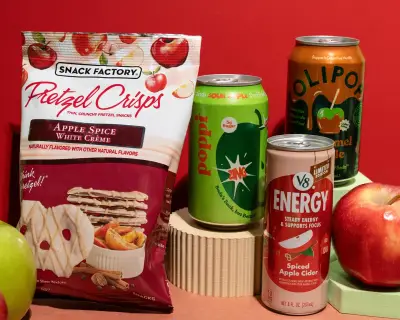
Dr Woolley highlights three materials that are frequently disposed of incorrectly in a new warning this autumn and winter. The first is flexible plastics: "One of the most common recycling mistakes is putting flexible plastics into household recycling bins. These are items such as plastic film, crisp packets and bread bags that can be scrunched up in your hand", he said.
Food contamination is another issue. "Items such as yoghurt pots, food trays and drink containers should be emptied and given a quick rinse before being recycled. Leftover food and liquids can contaminate other recyclable materials, particularly paper and cardboard, reducing the quality of the recycling stream," he added.
Greasy cardboard and packaging confusion
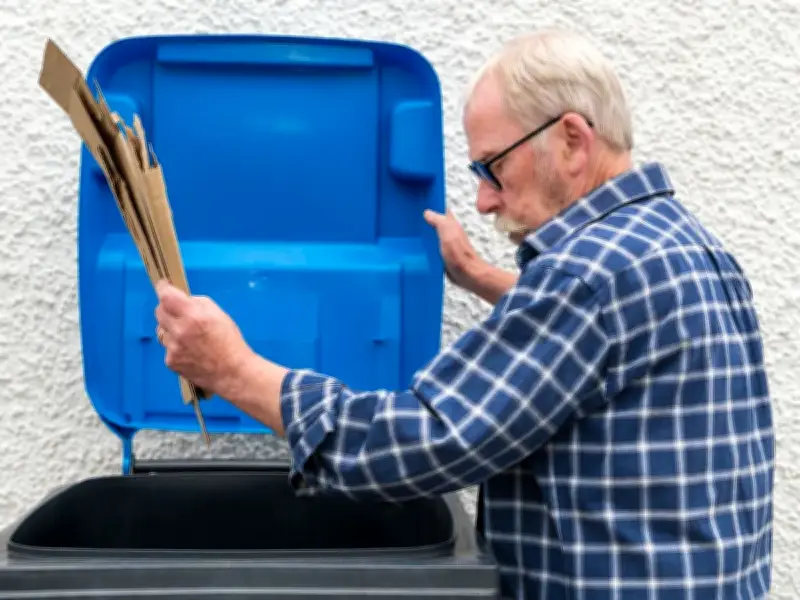
Greasy or food-soiled cardboard is a third common problem. "Pizza boxes are a good example. Clean sections of the box can usually be recycled, but heavily grease-stained parts should be removed and placed in general waste. Separating clean and contaminated sections helps ensure more material can be successfully recycled," he explained.
Despite confusion around what can and can't be recycled, homeowners cannot be fined for placing the wrong item in a recycling bin. While local councils can issue fixed penalty notices of up to £80 when waste causes obstruction, creates an eyesore or attracts vermin, recycling mistakes are typically addressed through guidance and education rather than enforcement, Dr Woolley says.
Almost two-thirds of homeowners believe biodegradable packaging (65%) and compostable packaging (60%) can be recycled, according to Redrow's research. Meanwhile, more than half (58%) think the same is true of plant-based packaging. Dr Woolley explained: "Consumers often assume that because materials are marketed as plant-based, biodegradable or compostable, they can simply be placed in household recycling bins. In reality, the situation is much more complex."
"Some are bio-based versions of conventional plastics and can often be recycled alongside their fossil-based equivalents. Others are designed to be biodegradable or compostable and generally cannot be processed through standard recycling systems. If these materials are placed in recycling bins, they can contaminate recycling streams and reduce the quality of recycled materials. As a result, it is important to follow the disposal instructions provided on the packaging and check local authority guidance where necessary."