
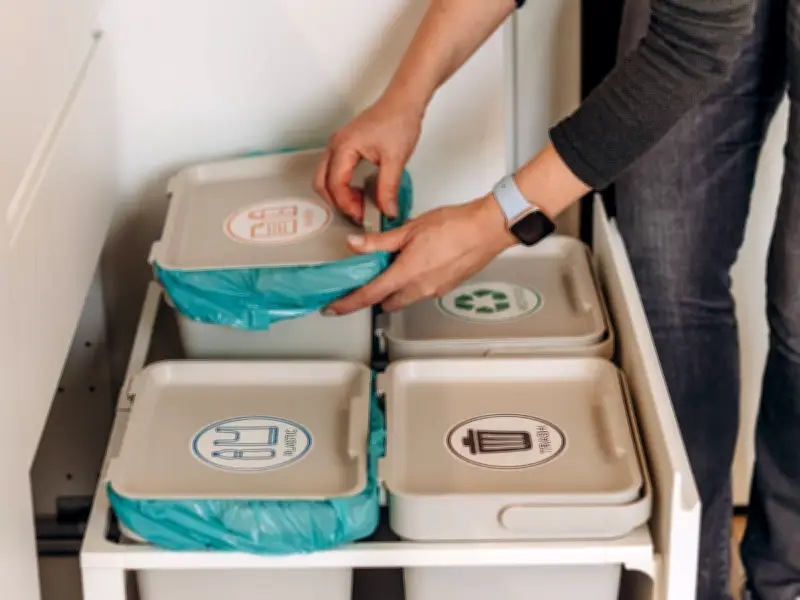
England's new Simpler Recycling rules, which came into force at the end of last month, have banned several common kitchen items from household recycling bins. Householders risk having their collections turned away if they include these items.
New Recycling Regulations
The reforms, introduced under the Environment Act 2021, enforce mandatory, consistent recycling practices for businesses and households across England. Key requirements include separate collections for food waste, paper and card, glass, metal, and plastic. The overhaul aims to streamline recycling, improve sustainability, and reduce landfill waste.
However, some local councils are exempt from these rules until at least 2040, so it is crucial to check with your local authority to confirm whether the changes apply to your area.
Banned Kitchen Items
To help householders navigate the changes, Ideal Home has compiled a list of kitchen items now subject to restrictions under the updated regulations.
1. Drinking Glasses
Different types of glass melt at varying temperatures, making recycling difficult. Under the new rules, drinking glasses such as tumblers and wine glasses are banned from recycling collections. To dispose of them, wrap them carefully in protective paper and place them in your general waste bin.
2. Glass Cookware
Pyrex jugs and glass casserole dishes are not suitable for home recycling. If still intact, consider donating to a charity shop or upcycling. If broken, wrap securely and put in general waste.
3. Ceramic Crockery
Battered or chipped mugs and plates are now banned from recycling. Experts suggest repurposing them (e.g., turning an old bowl into a bird bath) or donating to charity shops.
4. Cutlery
Cutlery should not go in the recycling bin. Ideal Home specialists recommend selling it, especially if silver or from a well-known brand, or dropping it off at a recycling centre for scrap metal.
5. Pots and Pans
Old pots and pans cannot go in household recycling. If in good condition, donate them, or reuse as plant pots. They may also be accepted at local scrap metal recycling centres.
6. Coffee Pods
Coffee pods can no longer be recycled at home, but many household recycling centres have introduced specially designated coffee pod recycling bins. Some schemes require separating plastic pods from aluminium ones, as they are often too small to be identified among other materials.




