Water companies in England failed to report more than 50,000 sewage discharges when they should have done in the first six months of this year, figures have revealed. Rules in place since the start of last year have required water firms to report discharges within an hour to ensure the public knows. However, data from the charity Surfers Against Sewage found that all nine of England's water companies failed to meet the reporting requirement.
More than 4,000 of these delayed reports affected designated bathing waters, spaces officially recognised for water use, it said. The latest findings come amid mounting anger at the privatised water industry's track record on sewage spills into rivers and the sea.
Charity Calls Out Widespread Non-Compliance
Surfers Against Sewage says swimming in sewage polluted water has left some people in hospital. The charity says 1,568 sickness reports were submitted to it through its Safer Seas and Rivers Service app last year. Illnesses included severe bacterial infections such as E. coli, campylobacter, and gastroenteritis. In extreme cases they have led to hospitalisations and life-changing surgery.
In the first eight months of this year, 1,687 people told the charity they got sick after using the water at rivers, lakes and beaches across the UK.
Public Anger and Political Response
PM Andy Burnham has responded by backing the need for more public control of water companies, although he has yet to confirm what that will mean in practice. Some campaigners say anything short of renationalising the industry will fail to address the sector's underlying failures.
Water companies are only allowed to discharge sewage through storm overflows during heavy rainfall. However, freedom of information data has revealed at least 70,400 hours of sewage was dumped on dry days in the first six months of the year.
Swimmer's Story Highlights Health Risks
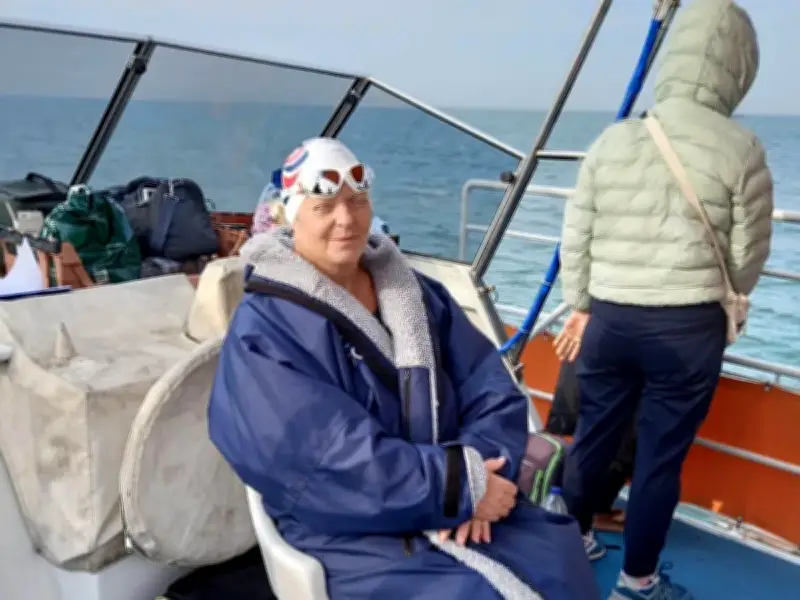
Among those who say they fell ill after being in the sea was Loretta Cox, as she trained for a gruelling 18 mile swim from Jersey to France. The swimming coach had been in the water at East Beach in Looe, Cornwall, last year.
"The water wasn't as I'd expected, it wasn't clear, I thought that's a bit weird," recalls Loretta, 70, who has already swum the English channel a number of times. "Within hours of my early morning swim I had symptoms of a serious infection. I was in agony, and I was peeing blood, basically." She went to the GP and it was diagnosed as E. coli, and she ended up taking two rounds of strong antibiotics.
Loretta says she is "99.9%" sure she caught E. coli from sewage in the sea, adding: "There was nothing else I had done that day. My husband had eaten exactly the same as I had, so it couldn't be that. It was the only thing that could have happened."
She went on: "It's had a lasting impact on me. Swimming is my passion, my job, and my community. It makes me so angry we have to consider the quality of the water, and whether it's a risk to our health, before going for a dip – just because water companies are putting profits before us. It must stop. We need better protections and water quality testing for swimmers, surfers and anyone using the water, and the Government must ensure water companies stop profiting from polluting our waters."
Giles Bristow, Surfers Against Sewage's chief executive, said: "Imagine checking for a sewage alert, heading out for a swim or a surf, and finding sewage has been pouring into the sea for hours. Your water company didn't report it. In England, we don't have to imagine it. We're living it. Water companies have systemically failed to report sewage discharges on time more than 50,000 times this year. That's a threat to public health, and it's illegal. Yet we pay the price, through our health and our soaring bills, while water company greed and law-breaking goes unchecked."