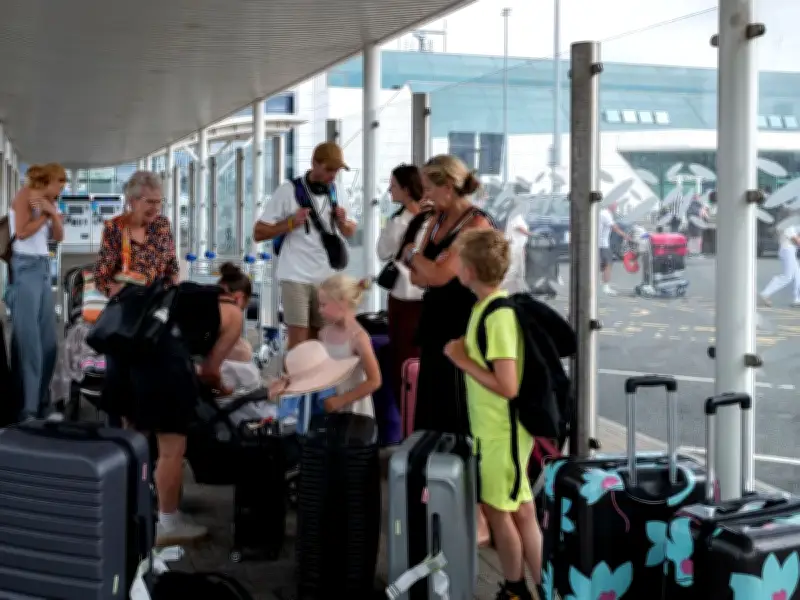
The Department for Environment, Food and Rural Affairs (DEFRA) has issued a fresh warning to anyone bringing food into the UK from the EU, including items bought at airport duty-free shops. The alert, published today, targets travellers heading to popular European destinations such as Spain, France, Greece and Italy during the half-term holiday.
Since last April, travellers returning to the UK risk having their goods confiscated at the border and could face fines of up to £5,000. The ban applies to meat and dairy products from EU countries, which can spread animal diseases. DEFRA warned on X: "Meat and dairy products from the EU can spread animal diseases. Stay faithful to our biosecurity and don't try to smuggle them across the border in your luggage."
What Is Banned and Why
It is illegal for travellers entering Great Britain from any EU country to carry items including sandwiches, cheese, cured meats, raw meats, or milk. Officials have confirmed that the rules, which came into force last year, remain in effect as the holiday season gets under way with the start of June. Current legislation states that anyone caught importing banned products will face enforcement action at customs.
These restrictions have been implemented in response to a foot and mouth disease outbreak sweeping across Europe. In a latest development, travellers heading to Greece have been warned about a newly confirmed outbreak in the country. The ban on all food products, including duty-free purchases, will remain in place for the foreseeable future.
Enforcement and Fines
Border officers will be actively searching for illegal food items, with those caught given the choice of surrendering their goods or having them confiscated and destroyed. Officials warn that "In serious cases, those found with these items run the risk of incurring fines of up to £5,000 in England."
As confirmed cases of foot and mouth disease (FMD) continue to rise throughout Europe, the UK Government has introduced a series of bans designed to prevent its further spread. The measures, put in place to safeguard domestic animal health, protect farmers' livelihoods and secure the UK's food supply, ban the personal importation of meat and dairy products derived from cows, sheep, goats and pigs originating from EU countries.
Impact on Livestock and Exemptions
Authorities have stressed that FMD poses no risk to human health, and there are currently no confirmed cases anywhere in the UK. However, it remains an extremely infectious viral illness that affects cattle, sheep, pigs and other cloven-hoofed animals, including wild boar, deer, llamas and alpacas. The outbreak across the continent poses a significant threat to farming enterprises and livestock, leading to substantial economic losses through diminished productivity and curtailed access to international markets.
Following confirmed cases of FMD in Germany, Hungary, Slovakia and Austria earlier this year, the Government has already banned personal imports of cattle, sheep and other ruminants, pig meat and dairy products from these countries. The new restrictions apply solely to travellers entering Great Britain and will not be imposed on personal imports arriving from Northern Ireland, Jersey, Guernsey or the Isle of Man.
Farming Minister Daniel Zeichner said: "This government will do whatever it takes to protect British farmers from foot and mouth. That is why we are further strengthening protections by introducing restrictions on personal meat and dairy imports to prevent the spread of the disease and protect Britain's food security."
Dr Jorge Martin-Almagro, UK Deputy Chief Veterinary Officer for international and trade affairs, delivered a stark warning: "Following the detection of foot and mouth disease in EU countries resulting in a rising risk of introduction into Great Britain, we have extended restrictions on the personal imports of food products that pose a risk in FMD transmission." He added: "Robust contingency plans are already in place to manage the risk of this disease to protect farmers and Britain's food security. This biosecurity measure combined with all others we have implemented are critical to limit the risk of FMD incursion. I would urge livestock keepers to continue exercising the utmost vigilance for signs of disease, ensure scrupulous biosecurity is maintained and to report any suspicion of disease immediately to the Animal and Plant Health Agency."
Dr Martin-Almagro noted that certain exemptions are in place, explaining: "A limited set of exemptions from these rules in place. For example, a limited amount of infant milk, medical foods and certain composite products like chocolate, confectionery, bread, cakes, biscuits and pasta continue to be allowed."