Households across the UK have been issued a two-week warning ahead of cold weather expected to hit this month. After a mild autumn so far, temperatures are set to drop soon, prompting many to consider when to switch their heating on.
Online heating specialist BestHeating has analysed Met Office temperature data from the past three years to reveal the exact date you should be looking to dial your thermostat up.
When to switch your heating on
Once temperatures outside drop below 15°C, the Energy Saving Trust says that this is when people often start using their heating. It also advises that older people and those with medical conditions should consider keeping their homes warmer when temperatures drop for health reasons.
Therefore, in line with temperature data, homeowners can expect to switch their heating on from October 20. From this date, average temperatures aren't expected to rise above 15°C for the rest of the year.
“Our research shows that once temperatures are below 15°C, often around October or November, it is best to turn the heating on as we feel the chill more,” says John Klee, a heating technology expert at BestHeating.
“By the end of November, even the hardiest among us will have the heating on to keep warm as temperatures are predicted to drop further.
“With many worried about personal finances, it can be tempting to hold off putting the heating on but be careful delaying this too long as it can cause more issues than it’s worth. For those struggling, we recommend contacting your local council or energy supplier as there are often grants and help available to help keep you safe throughout winter.”
Three tips to keep bills low
To help Brits keep bills as low as possible throughout the cold months, John has provided three essential pieces of advice.
Only heat the room you are in
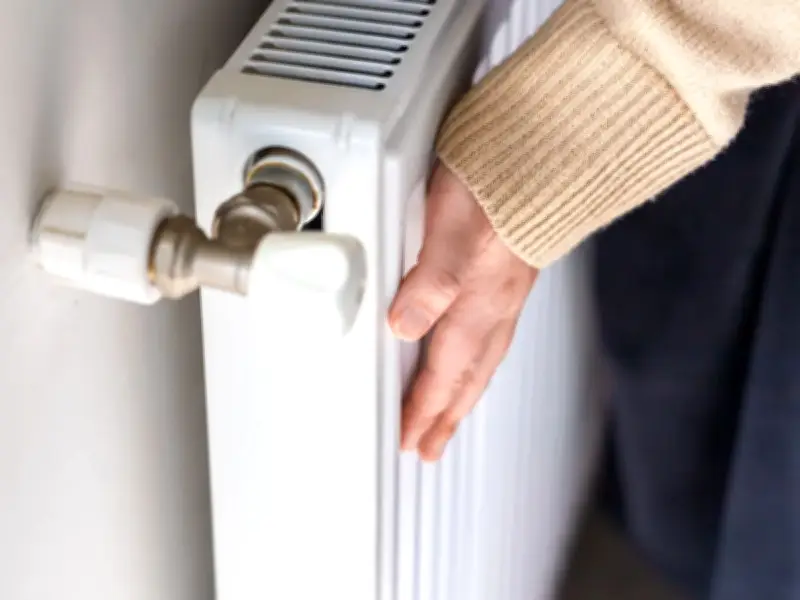
“One of the simplest mistakes people make during winter is heating an unused space. Make sure to turn radiators off in rooms that are not in use such as bedrooms throughout the day,” says John.
“The one caveat to this is not to turn the radiators off in the room where the thermostat is located, or it could cause issues with the temperature of the rest of the home. This means your boiler isn't spending energy heating empty rooms, so the rooms you're using warm up more quickly and you'll use less energy overall.”
Turn the thermostat down by one degree Celsius
“Research shows that by reducing a home's temperature by a little, good savings can be made on energy bills,” says John.
“The Energy Saving Trust estimates that turning a thermostat down from 22°C to 21°C could save around £120 a year in Great Britain. A clever way to assess if the heating is too warm is to turn the thermostat down by one °C and see how you feel.”
Choose the best times of day to turn the heating on
“To keep bills low, be clever with when your heating is turned on. If the temperature is going to be lower than 10°C, set it to come on an hour before your alarm to take away the chill. If you are out all day, then do the same in the evening,” John says.
“Anyone with a smart thermostat will be able to control their heating more easily, as they can make sure there is no wasted energy when out at work or shopping and can also set it, so they come home to a warm house without paying to heat an empty one.”