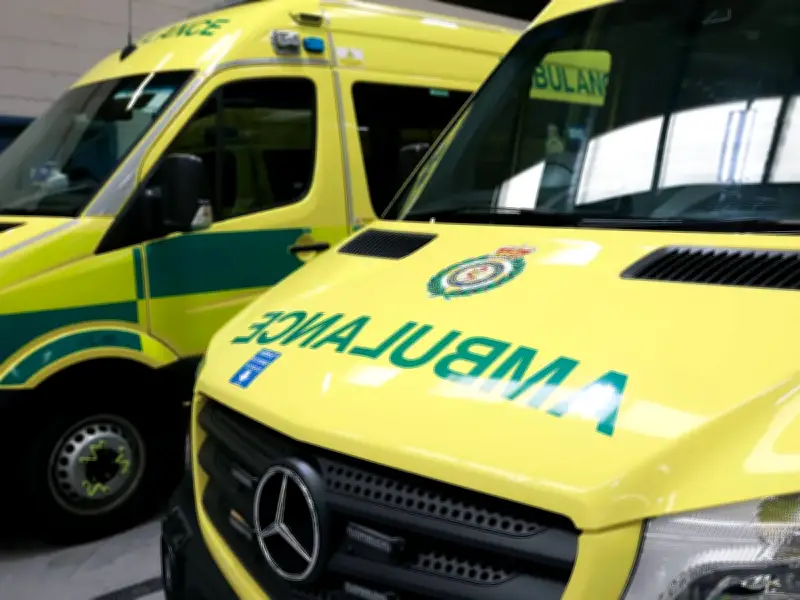
North East Ambulance Service (NEAS) bosses have revealed a new 10-year plan and a "new clinical model" designed to treat more people without needing to take them to hospital. The service's new plan sets out four priorities as it seeks to maintain what is described as "significant progress" in recent years.
New clinical model and four priorities
The ambulance service plan sets out areas of focus and explains that the new model would see people across the region "increasingly experience" care that doesn't always result in a trip to hospital under blue flashing lights. Chief executive Kevin Scollay described this as how NEAS would be seeking to meet the "changing needs" of the population.
The four priorities outlined are: "Delivering outstanding care and quality; Creating a great place to work; Providing reliable and responsive services; and strengthening partnership and system leadership."
Adapting to changing demand
Bosses said that while attending emergencies as quickly as possible remains vital - and NEAS has in recent years frequently been among the best performing ambulance services in the country in terms of how long it takes for personnel to get to those calling 999 - services would also adapt to changing requirements. This is to involve better co-ordination across the NHS.
They added: "Over the next decade, people across the North East will continue to see ambulances responding rapidly to emergencies. Alongside this, they will increasingly experience: More clinical advice, assessment and support at the first point of contact, without always needing a hospital journey."
Feedback shaping future plans
Mr Scollay said: "The healthcare needs of our communities are changing, and this strategy sets out how we will respond over the next decade. People told us they want excellent emergency care when they need it, but they also want faster access to the right support, better communication and more care delivered closer to home. That feedback has directly shaped our plans for the future."
"We will continue to be there for every life-threatening emergency, while working with partners across the NHS and beyond to help more people receive the right care, in the right place, at the right time."
Demand forecasts and response figures
This comes as NEAS revealed how over the last year the service's team had answered 1.475 million NHS 111 and 999 calls and responded to more than 40,000 life-threatening emergency incidents. Going forward, projections in the strategy forecast that some kinds of emergency are likely to comprise a larger proportion of calls.
For example, mental health and suicide related calls to 999 are estimated to make up 6.4% of all calls by 2031 - that's up from 4.3% last year. In the report, the ambulance service highlights how it anticipates demand for care will grow.
The strategy adds: "Across the North East, people are living longer, often with multiple long-term conditions. Demand related to frailty, mental health crisis and social vulnerability is increasing, alongside persistent health inequalities that shape both who calls for help and the type of support they need."
"At the same time, pressure across the wider health and care system means that ambulance services are increasingly the most accessible point of contact when people are uncertain where else to turn."
NEAS's board chair Stuart Corbridge said: "This strategy represents a shared ambition for the future of healthcare across our region. It has been shaped by the people who use our services, work in them and partner with us."
"By strengthening partnerships, investing in our people and making better use of clinical expertise, we can help improve outcomes for patients while creating a sustainable future for urgent and emergency care."