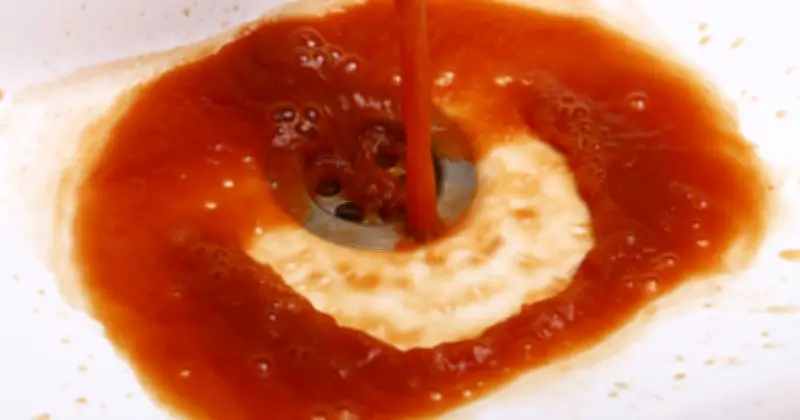
Homeowners are being urged never to pour leftover sauces, fats, oils, or grease down the kitchen sink, as these substances can lead to expensive blockages. Severn Trent, a UK water company, warns that these common kitchen discards are major culprits behind clogged pipes and costly repairs.
Why Fats and Oils Are a Problem
According to Severn Trent's website, fats, oils, and grease can “cause big problems” when poured down drains. Over time, they solidify and build up inside pipes, blocking wastewater flow and potentially causing flooding or damage to home plumbing systems. The company also notes that leftover food scraps and coffee grounds contribute to blockages.
Expert Tips to Prevent Blockages
To keep drains clear, Severn Trent recommends a few simple habits: “Scrape pots, pans and plates before washing up or putting them in the dishwasher. Use kitchen roll to wipe grease from your pans, plates and air fryers. Use a strainer in your kitchen sink to catch leftover food. Collect used oil, leftover sauce and coffee grounds and throw them in the bin.”

By following these steps, homeowners can prevent blockages and maintain smooth drainage. The company emphasises that proper disposal of oils and sauces in the bin is crucial.
Bathroom Drains Also at Risk
Severn Trent also warns about bathroom drains, advising: “Only ever flush the 3P's: pee, poo and (toilet) paper. Bag sanitary towels, tampons and colostomy bags then bin them. Bin wipes to avoid blocked drains, even the ones that are labelled 'flushable'. Use a bin for nappies, incontinence pads, razors, cotton buds and dental floss.” The company adds: “Be a binner, not a blocker. Protect your home from costly blockages and flooding.”
Wet Wipes Ban and Pollution Impact
According to Gov.uk, wet wipes containing plastic are a growing source of pollution. A survey found an average of 20 wet wipes littering every 100 metres of beach across the UK. When flushed, these wipes can break down into microplastics that poison wildlife and enter the food chain. The UK is phasing out single-use wet wipes containing plastic. The ban takes effect first in Wales on December 18, 2026, followed by Northern Ireland on May 18, 2027, England on May 19, 2027, and Scotland on August 11, 2027.
Gov.uk states: “Wet wipes containing plastic are a growing source of pollution... The ban follows overwhelming public support with 95% of respondents to the government consultation agreeing with the proposals. While the new law targets wipes containing plastic, all wet wipes contribute to blockages and pollution when flushed.”
Cost of Blockages
UK Water Industry Research found that wet wipes contribute to 94% of sewer blockages, costing water companies around £200 million per year to fix. This cost is ultimately passed onto households through water bills. The public is urged to bin all wet wipes, even those labelled flushable, to reduce blockages and protect nature.