Prof Devi Sridhar, chair of global public health at the University of Edinburgh, has criticised England's privatised water industry, contrasting it with Scotland's publicly owned model. Writing from Scotland, she said that bringing English water companies into public ownership is not a radical socialist idea but "common sense" north of the border.
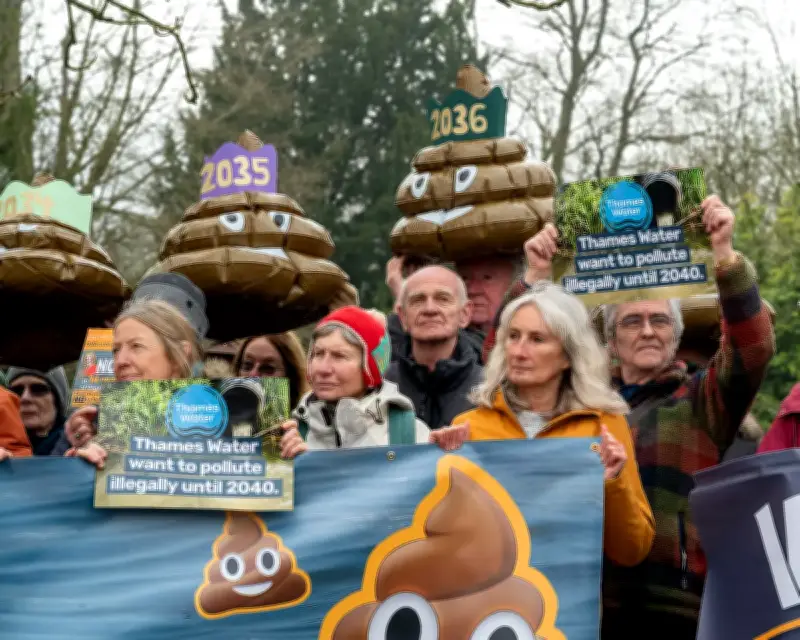
Recent headlines have highlighted rising pay for chief executives and chief financial officers at England's water companies, which rose to a total of £25.3m across 14 companies over the past year. Meanwhile, people in England face rising water bills and untreated sewage being discharged, often illegally, on to beaches and into lakes. Companies such as Thames Water are on the brink of insolvency and want government backing.
Shareholder interests vs customer needs
England's water companies have long been accused of putting the interests of shareholders above those of customers. Between 1991 and 2019, dividends to shareholders of the parent companies totalled £57bn, averaging more than £2bn every year. The majority of these private parent companies are foreign-owned, so the profits are not kept in Britain.

The lack of proper oversight creates perverse incentives, Sridhar argued. If water companies can charge more for the same amount of water, they will do that; if they can dump untreated sewage in public waterways, they will do that too. The root of the problem dates back to 1989, when Margaret Thatcher, then prime minister, privatised water in England.
Scotland's alternative approach
Unlike England, Scotland retained public ownership of Scottish Water. Between 2002 and 2019, the company invested 35% more per household in infrastructure than the privatised English water companies. It charges users 14% less and does not pay dividends. While Scottish Water's CEO pay package, which adds up to more than £500k, has been criticised as high relative to other public sector employees, it is relatively low compared with private pay packets in England. More importantly, Scottish Water is accountable to people living in Scotland, as all profit is reinvested back into water and sanitation systems instead of going to shareholders.
Sridhar, who has lived in Scotland for over a decade, said the water from taps is clean and delicious. Since 2018, Scottish Water's Your Water Your Life campaign has offered free drinking water through a network of public water stations. By 2022, the water dispensed at these would have filled the equivalent of 15m plastic bottles. Water in homes is paid for through local authorities charging council tax rather than customers receiving a bill from a private water company.
Public health implications
As a public health expert, Sridhar said she has found it hard not to think about England's poor water infrastructure, noting that across the world, especially in low-income countries, access to this vital resource is often a matter of life or death. It took John Snow, the father of epidemiology, to identify dirty water as the cause of a large cholera outbreak in London. Clean water is not a luxury but necessary to human health and wellbeing.
More recently, Chris Whitty, England's chief medical officer, highlighted the worrying public health problem of sewage in England's waterways. He reminded water companies and their directors that human faeces is making people who swim or use the water on popular beaches and rivers sick.
The normal logic of private efficiency might work in sectors where competition brings meaningful choice and innovation, such as cars or pharmaceuticals. But there is no consumer choice in tap water: water is water, and it just needs to be clean, taste good, and be reliably delivered through functioning infrastructure. Waste flushed down toilets must be treated and made safe through sanitation systems before being released into nature.
Sridhar concluded that if water and sanitation are treated as a commodity, companies will look at how much they can squeeze consumers. But water is vital to human life – you would die without it in about three days – and should be a basic part of public infrastructure provided by government.