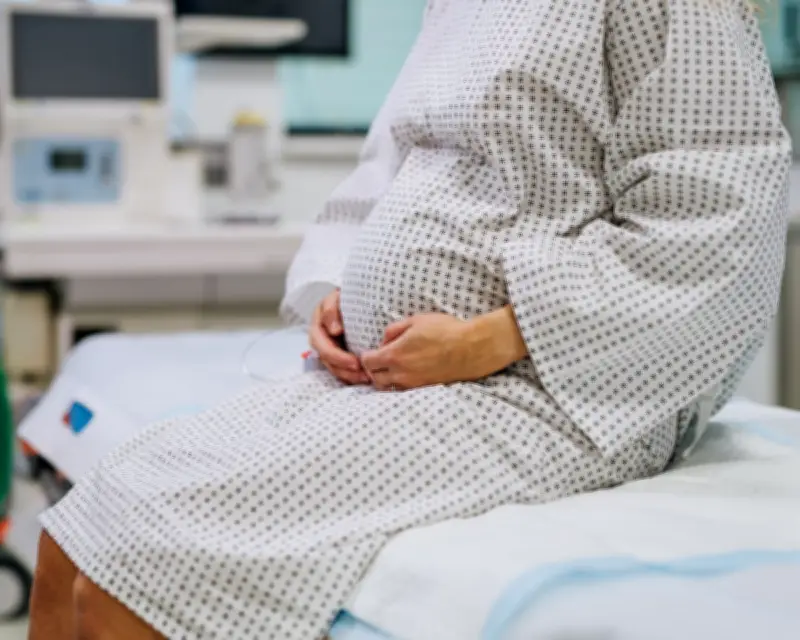
England is set to appoint its first-ever maternity and neonatal commissioner following a damning review that found childbirth care is marred by poor standards, racism, and a failure to listen to women. Health Secretary James Murray announced the move in response to Valerie Amos's government-commissioned inquiry, which concluded the system requires urgent reform to ensure safety and compassionate care.
Amos review reveals systemic failures
Lady Amos's 181-page report, the result of a nine-month investigation, stated that 'the maternity and neonatal system in England is no longer fit to consistently deliver high-quality, compassionate care to every woman and family.' It highlighted that women have been dismissed when raising concerns, leading to avoidable harm, and that women of colour have experienced racism or discrimination, resulting in unequal treatment and devastating outcomes.
'I still find it shocking that women and babies have been harmed or have died, sometimes as a result of failings in the maternity and neonatal care provided. We are a wealthy country. It should not happen,' Amos said. She added that for many women, 'the care they receive is not good enough and can result in avoidable harm.'

New commissioner to drive change
The new commissioner will have powers to pursue hospitals over persistent failures, ensure improvements, and restore family trust. The appointee will also co-chair the national maternity and neonatal taskforce with the health secretary, which is developing an action plan due in December. Donna Ockenden, author of the recent Nottingham maternity scandal inquiry, is widely expected to take the role.
Murray pledged that Amos's 'landmark' report would be 'a turning point,' adding: 'Appointing the UK's first ever maternity and neonatal commissioner will drive lasting change and make sure women and families are never ignored again.'
Eight key recommendations
Amos made eight main recommendations, including an urgent overhaul of maternity triage services with more staff, the right for families to seek independent investigations when unsatisfied with hospital inquiries, replacement of the 'brutal' and 'cruel' compensation system with one requiring immediate admission of errors, and rooting out racism 'embedded throughout the maternity and neonatal system.' She noted that maternity care has not kept pace with changes such as older mothers, more underlying health conditions, and rising medical interventions.
Previous reforms not implemented
The report highlighted that many recommendations from previous reviews have not been implemented or were short-lived. Some maternity units are so old they are 'unsafe,' and widespread understaffing compromises care quality, leaving staff traumatised. In a rare positive finding, stillbirths and neonatal deaths are at near-record lows, but progress has stalled since 2020.
The report was overshadowed by the resignation of clinical adviser Dr Bill Kirkup over a section on 'normal birth ideology,' which he disagreed with. Despite this, the government has accepted the need for urgent reform.