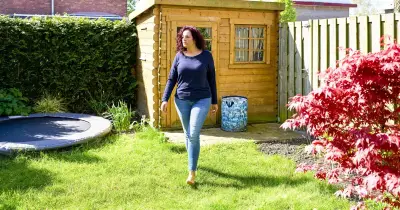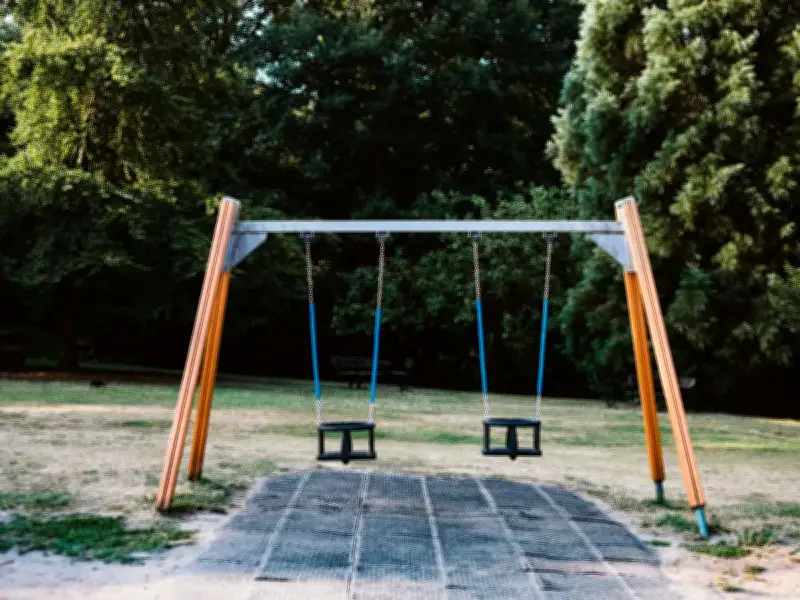
A minister has confirmed that the Health and Safety Executive (HSE) will hold a 60-day public consultation on the weedkiller glyphosate, as part of a renewal assessment that will consider its use in home gardens, schools and playgrounds. The decision on whether to approve the substance's continued use in Great Britain is expected by the end of 2026.
Concerns over playground contamination
In January, the Pesticide Action Network (PAN UK) swabbed children's play equipment in 13 playgrounds across Kent, Cambridgeshire, Milton Keynes, Tower Hamlets and Hackney, and tested soil and plant material. PAN UK said it found residues of glyphosate and its toxic breakdown product AMPA in eight of the playgrounds.
The organisation said the contamination was likely to originate from the widespread use of glyphosate by UK councils to remove unwanted plants in public spaces, particularly as none of the playgrounds were near agricultural land. The World Health Organisation has listed glyphosate as a probable human carcinogen since 2015.
Parliamentary update on HSE assessment
On Monday, October 5, Stephen Timms, Minister of State at the Ministry of Housing, Communities and Local Government, responded to a parliamentary question on the matter. He said: "The Health and Safety Executive (HSE) is currently undertaking a renewal assessment of the pesticide active substance glyphosate to determine whether it continues to meet the strict approval criteria for use in pesticide products in Great Britain."
He added: "As part of this, HSE is planning to launch a 60-day public consultation on its draft scientific assessment of glyphosate in due course. The uses that HSE is considering as part of this renewal assessment include the use of products containing glyphosate by professionals only in home gardens, schools and playgrounds."
Farmers and critics weigh in
Many farmers say glyphosate is essential. The National Farmers Union told the BBC this summer it is vital "to make harvesting easier, to control weeds, and reduce disease, and help produce sustainable and affordable food for all".
However, critics have raised concerns. Professor Michael Antoniou, a specialist in molecular genetics and toxicology at King's College London, told the Guardian: "Our studies have shown that exposure to glyphosate herbicides is a significant risk factor for the development of a range of serious health conditions including fatty liver and kidney disease and, most worryingly, a wide range of cancers including leukaemias."
Nick Mole, Policy Officer at PAN UK, said: "It is deeply concerning to find a Highly Hazardous Pesticide like glyphosate present in the very places where our children play."
The Glyphosate Renewal Group, a collection of companies seeking renewal of the substance's use, says on its website that leading health authorities worldwide continue to conclude that glyphosate-based products are safe when used in accordance with label instructions, and that the products have been used safely for more than 40 years.