
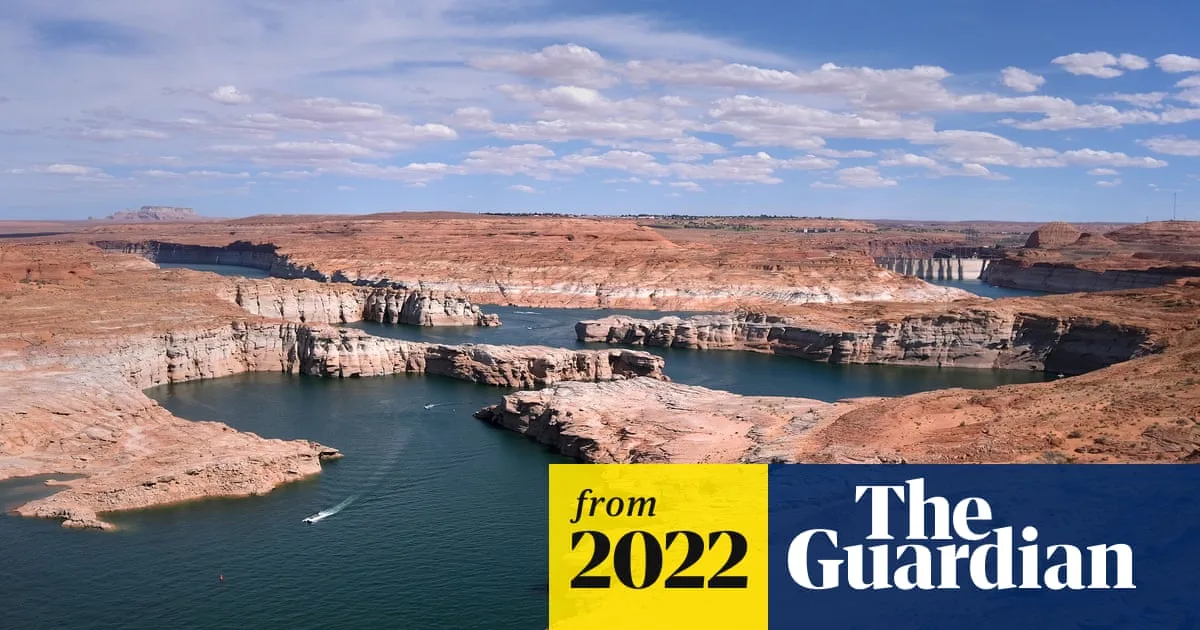
The US Bureau of Reclamation has announced an emergency release of water from upstream reservoirs to bolster Lake Powell's levels and prevent a shutdown of hydropower generation at the Glen Canyon Dam. The move comes as the lake, a key reservoir on the Colorado River, has fallen to just 28% of its capacity, threatening power supplies for up to 5.8 million homes and businesses across seven states.
Water levels at Lake Powell have dropped below 3,525 feet, a critical buffer for hydropower, for the first time. If levels fall another 32 feet, the dam will be unable to generate power. The Bureau forecasts a 23% chance of a power halt in 2024, with a possibility as early as July 2023.
The release, totalling 500,000 acre-feet, will come from Flaming Gorge Reservoir in Wyoming and other upstream sites. It is intended to raise Lake Powell's elevation by about 16 feet, buying time for states to agree on long-term water conservation measures. The Colorado River basin is experiencing its worst drought in over 1,200 years.
Hydropower output at Glen Canyon has already dropped from 1,320 megawatts to 800 megawatts due to low water. The Bureau has called for cuts of 2 to 4 million acre-feet in water use across the basin, which would be the largest reduction in the 100-year history of the Colorado River Compact.




