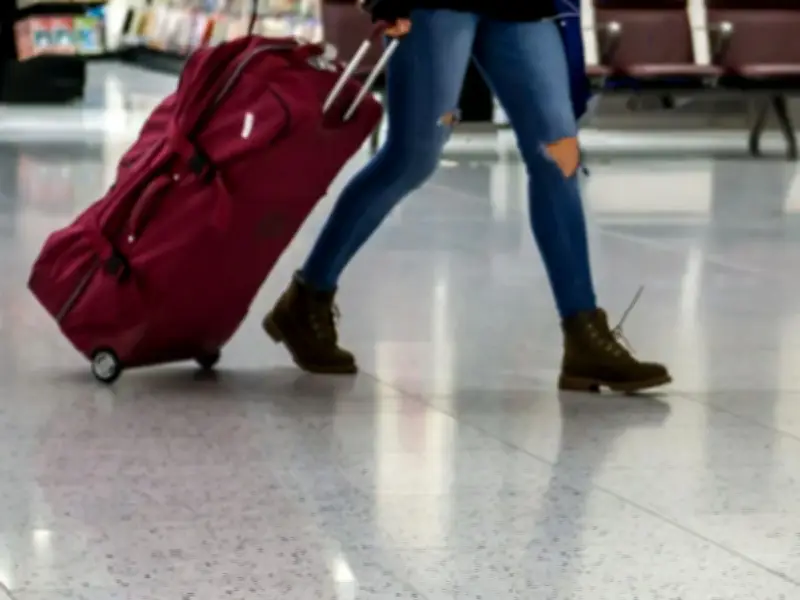
UK officials have issued a fresh alert for travellers returning from EU countries, warning that bringing certain food items—including duty-free purchases—could result in fines of up to £5,000. The Department for Environment, Food and Rural Affairs (DEFRA) updated its guidance today, ahead of the half-term holiday period.
Since last April, anyone arriving in Great Britain from the EU risks having goods seized at the border and may face penalties of up to £5,000. The restrictions target most meat and all dairy products, including sandwiches, cheese, cured meats, raw meats, and milk.
DEFRA warning on social media
In a post on X today, DEFRA said: “Meat and dairy products from the EU can spread animal diseases. Stay faithful to our biosecurity and don’t try to smuggle them across the border in your luggage.”
The rules, which came into force last year, continue to apply as the holiday season begins. Border officers will be on the lookout for illegal food products, with offenders given the option of handing over their items or having them seized and disposed of.
Reason for the restrictions
The measures follow a foot and mouth disease (FMD) outbreak affecting Europe. Confirmed cases have been reported in Germany, Hungary, Slovakia, and Austria earlier this year. The UK Government has introduced bans aimed at halting the spread of the disease, which poses no danger to humans but is highly contagious among cattle, sheep, pigs, and other cloven-hoofed animals.
Officials warn that “in serious cases, those found with these items run the risk of incurring fines of up to £5,000 in England.” The restrictions apply only to travellers entering Great Britain, not to personal imports from Northern Ireland, Jersey, Guernsey, or the Isle of Man.
Public awareness and exemptions
Labour MP Ben Goldsborough has questioned whether adequate steps are being taken to inform the public, asking Environment, Food and Rural Affairs Secretary Emma Reynolds about the potential merits of funding awareness campaigns at airports and ports.
DEFRA minister Dame Angela Eagle detailed recent actions, stating: “Biosecurity is a priority for this Government. To protect UK farmers and animals from serious diseases like Foot and Mouth Disease and African Swine Fever, we used the Christmas period as an opportunity to remind the public about the personal imports ban on travellers from the EU and EEA countries bringing dairy and meat products to GB, that came into force last year.” She added that survey results indicate over 90% of respondents are aware of the ban.
Dr Jorge Martin-Almagro, UK Deputy Chief Veterinary Officer for international and trade affairs, said: “Following the detection of foot and mouth disease in EU countries resulting in a rising risk of introduction into Great Britain, we have extended restrictions on the personal imports of food products that pose a risk in FMD transmission.” He noted that exemptions exist for limited amounts of infant milk, medical foods, and certain composite products like chocolate, confectionery, bread, cakes, biscuits, and pasta.
Farming Minister Daniel Zeichner said: “This government will do whatever it takes to protect British farmers from foot and mouth. That is why we are further strengthening protections by introducing restrictions on personal meat and dairy imports to prevent the spread of the disease and protect Britain's food security.”