
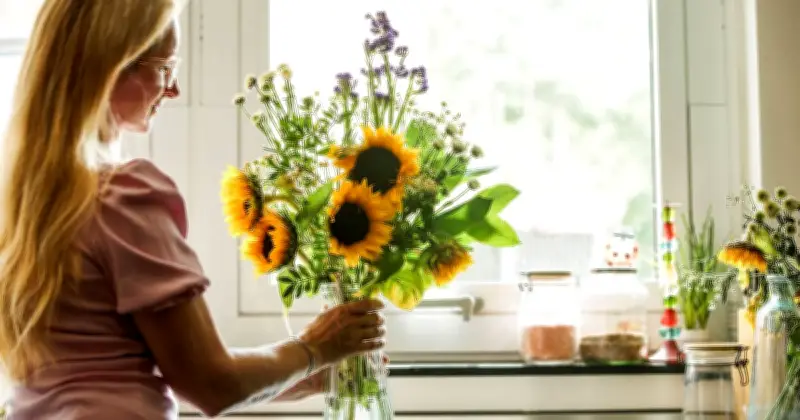
The Met Office has issued a warning for UK households to remove indoor flowers before Wednesday, July 8, as pollen levels are expected to reach very high levels across much of the country. The advice comes as the UK is at the peak of grass pollen season and entering the weed pollen season, leading to increased allergy symptoms for hay fever sufferers.
High Pollen Levels Forecast Across the UK
According to the Met Office's five-day pollen forecast, pollen levels will be high from Saturday, July 4, but Wednesday is expected to be the worst day nationwide. The Midlands and South East of England, including London, are forecasted to have very high pollen levels. Other parts of England, Northern Ireland, and regions such as Dumfries, Galloway, Lothian, and Borders will experience high levels. Only a few areas in Scotland are predicted to have moderate levels on Wednesday.
Pollen levels will remain generally high over the next five days, with only a few areas seeing low or medium levels before Wednesday.
Why Remove Flowers?
Certain flowers release large amounts of lightweight pollen or have prominent centers that scatter easily, triggering hay fever symptoms such as a blocked or runny nose, sneezing, coughing, and itchy, red, or watery eyes. The Met Office advises that avoiding keeping flowers in the house can help minimize symptoms when pollen levels are high.
Treatment and Prevention Tips
The Met Office recommends using preventative treatments designed for the early stages of hay fever, such as antihistamines, which block histamines that cause symptoms. Tablets can take up to an hour to work, but allergen barrier nasal sprays and gels act directly in the nose within minutes, preventing allergens from entering the nasal passages.
For those already experiencing symptoms, the second stage is defense: understanding that longer exposure worsens symptoms. Actions include removing indoor flowers, not drying clothes outdoors, and closing windows at night.




