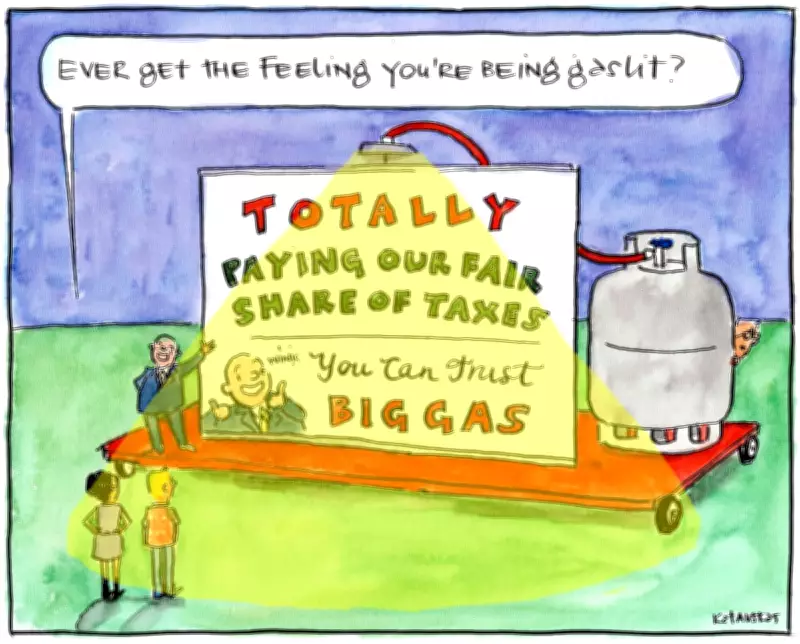
The debate over UK gas exports has intensified, with growing concerns about whether the public is receiving accurate information. Official statements suggest that exporting liquefied natural gas (LNG) benefits the economy and energy security, but critics argue that these claims obscure significant environmental costs and potential conflicts of interest.
Official Narrative vs. Reality
Government figures highlight that gas exports generate revenue and support jobs. However, independent analysts point out that the extraction and transport of LNG produce substantial greenhouse gas emissions. Moreover, the economic benefits are often overstated, as profits may flow predominantly to multinational corporations rather than UK citizens.
Environmental Concerns
The environmental impact of LNG exports is a major point of contention. Methane leaks during extraction and transportation undermine climate goals. Environmental groups insist that expanding gas infrastructure locks the UK into fossil fuel dependency, contradicting net-zero commitments.

Transparency Issues
Questions about transparency arise regarding the data provided by industry and regulators. Some reports suggest that emissions data is underreported, and the true cost of exports is hidden. This lack of clarity fuels public distrust and calls for independent audits.
As the UK navigates its energy future, the gas export debate highlights the tension between short-term economic gains and long-term sustainability. Without honest disclosure, the public cannot make informed decisions about energy policy.