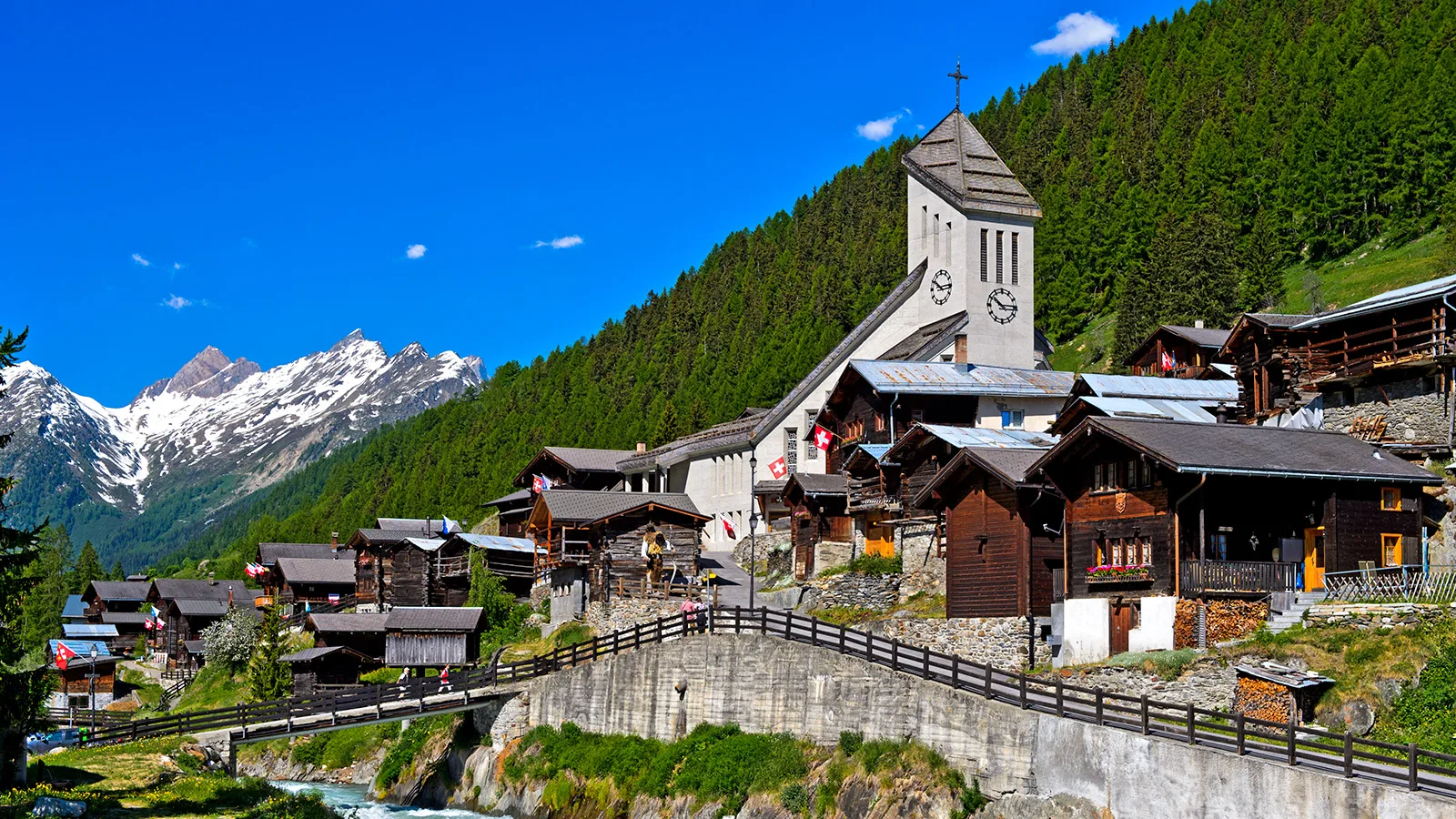
The village of Blatten in Switzerland's Lötschental valley was completely destroyed when nine million cubic metres of rock and ice crashed down from the Nesthorn mountain. The landslide, which occurred after weeks of monitoring, buried homes, the church, and the Hotel Edelweiss, leaving only the hotel's roof visible among the debris.
Residents and livestock had been evacuated before the collapse due to signs of instability. The force of the event registered on every geological monitoring station in Switzerland. The nearby village of Kippel, over four kilometres away, was cloaked in dust as the roaring landslide swept through.
Glacier specialist Matthias Huss from Zurich's Federal Institute of Technology described the event as 'the worst case that could happen.' He noted that such disasters are becoming more frequent in the Alps, linked to global warming and the thawing of permafrost, which acts as the glue holding mountains together.
The clean-up operation is on hold due to debris blocking the River Lonza, creating a flood risk for the villages of Wiler and Kippel. Scientists warn that if global warming exceeds the 1.5°C target set by the Paris climate accord, most of Switzerland's glaciers could disappear by the end of the century.