A new study using mobile phone location data has highlighted how people seek refuge during heatwaves, revealing stark social inequalities in access to cooling. The research, published in Environmental Research Climate, tracked movements across seven countries—Brazil, China, France, India, Nigeria, Turkey and the US—during heatwaves in 2022 and 2023.
The findings show that while many people retreat to their homes during extreme heat, those without air conditioning often turn to public spaces such as shopping malls and parks. This reliance on communal refuges underscores the vulnerability of lower-income groups who lack home cooling.
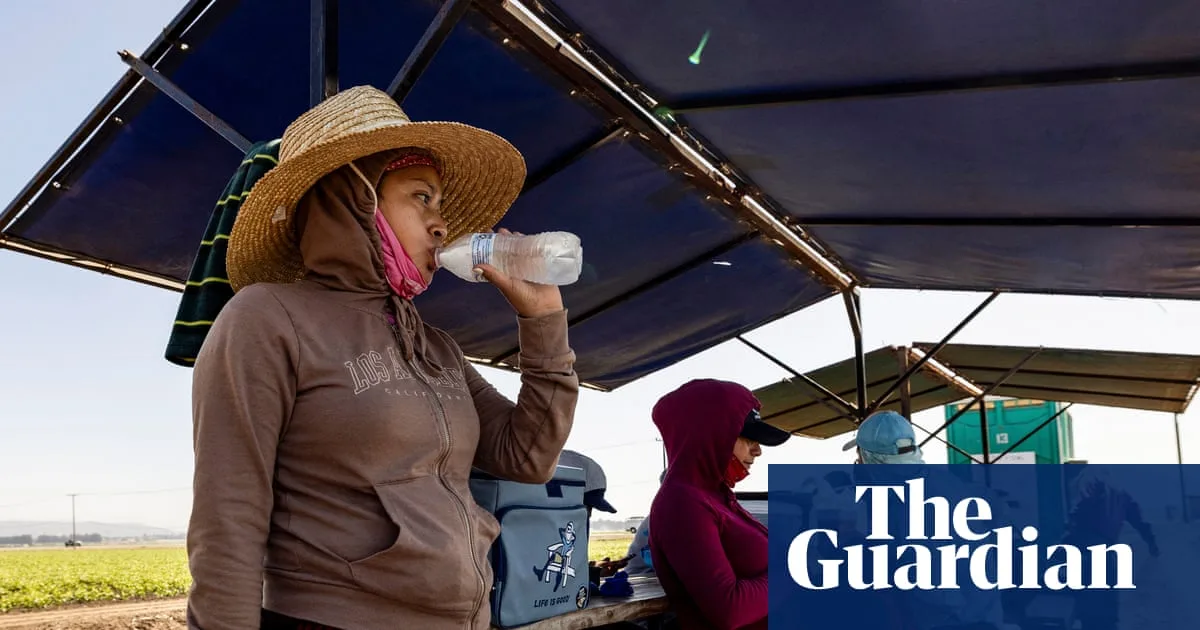
In Mexico, the study found that adults aged 18 to 35 were disproportionately likely to die from heat-related causes, possibly due to higher rates of outdoor work and limited flexibility in working hours. The researchers stress that community cooling centres and flexible working arrangements are essential components of effective heat adaptation plans.
During the summer of 2025, a 10-day extreme heat event across Europe resulted in 2,300 deaths. Globally, governments are implementing heat action plans, but the study emphasises that social inequalities must be addressed to protect the most vulnerable populations from the increasing threat of heatwaves.