
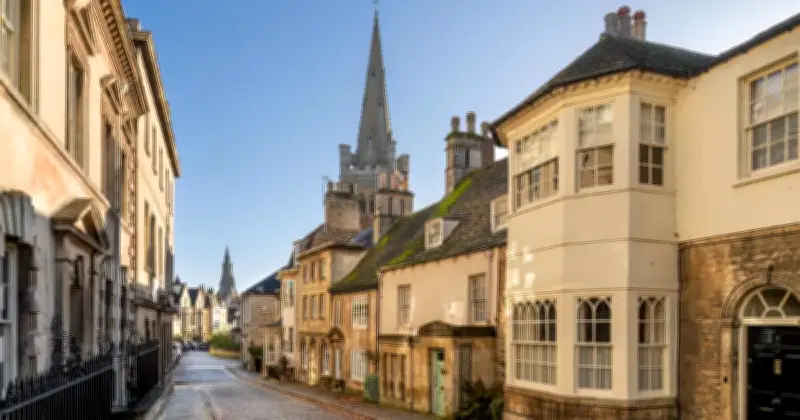
A street in the historic market town of Stamford, Lincolnshire, has been crowned England's most beautiful high street in a new heritage-led ranking. The study, conducted by SEO Backlinks, compared towns based on the number of listed buildings, conservation area status, architectural character, and visitor appeal. Stamford topped the list due to its remarkable blend of preserved history and striking streetscape.
Stamford's Historic Credentials
Stamford is home to 447 listed buildings and became England's first conservation area in 1967. Its honey-coloured stone buildings, Georgian frontages, and medieval street layout make it one of the country's best-preserved market towns. The ranking highlighted that Stamford's victory was not solely due to its wealth of listed buildings, but also the quality and consistency of its historic townscape.
Second and Third Places
Ludlow in Shropshire took second place, praised for its medieval street pattern and approximately 500 listed buildings. Poet Sir John Betjeman once described Ludlow as "probably the loveliest town in England." Third place went to Lavenham in Suffolk, where over 300 listed buildings and timber-framed shopfronts preserve the character of a medieval wool town.
Expert Commentary
Eddie Lee, from SEO Backlinks, said: "The towns that performed best all combine strong heritage protection with streets that still feel visually coherent today. People respond to places where historic buildings, independent shops and attractive public spaces all work together. Stamford is a standout example because the quality of the architecture extends across the town rather than being limited to a handful of landmark buildings."
Dominance of Smaller Market Towns
The research found that smaller historic market towns dominated the rankings, with compact centres, well-preserved architecture, and strong conservation efforts proving more influential than size alone. The data was compiled using public heritage records, council conservation documents, and destination data reviewed on July 1.




