
Twelve years ago, dairy farmer George Hunt installed solar panels on his cow barn in Orange, Massachusetts, using a USDA Rural Energy for America Program (REAP) grant and a state credit. The move eliminated his electricity bill for a decade, providing crucial financial relief for his struggling farm.
However, the current farm bill, passed by the House and awaiting Senate response, includes a provision that would restrict federal funding for ground-mounted solar projects on prime farmland. Properties under five acres are exempt, as are roof-mounted systems like Hunt's. Farms under 50 acres would require local approval, which trade group SEIA says is increasingly difficult to obtain.
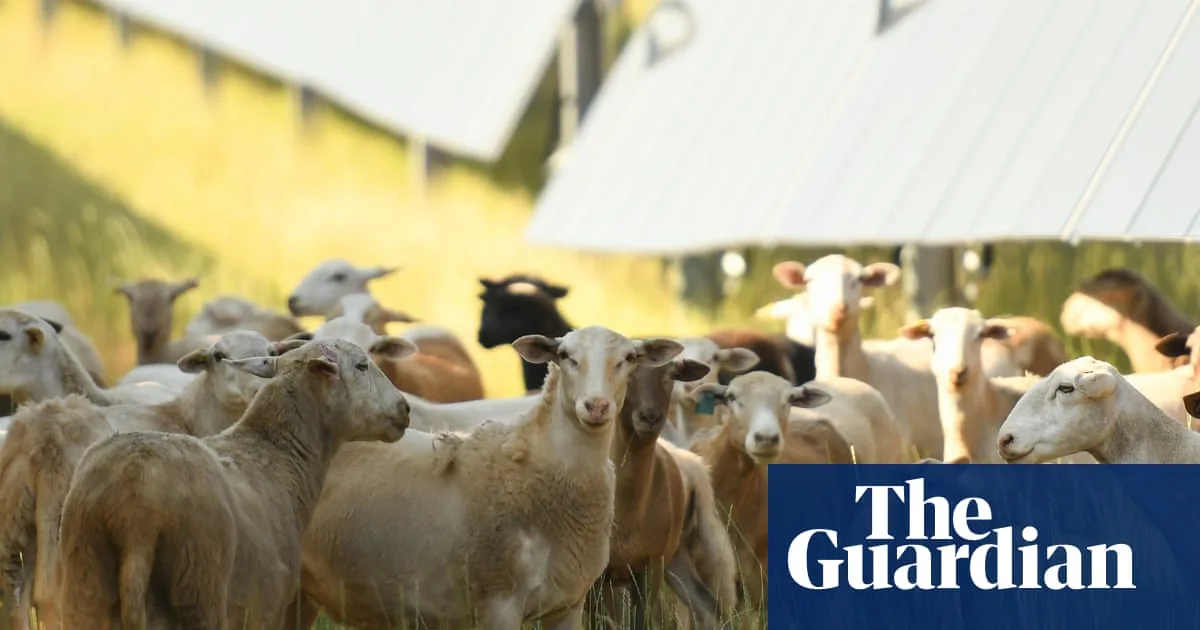
Richa Patel of the National Sustainable Farm Coalition calls solar a 'farm-saving opportunity' that helps producers weather financial strain. Hunt recently applied for another REAP grant to add agrivoltaics on a 19-acre hayfield, but his application was denied in 2025 as the second Trump administration halted renewable energy funding and tax credits.
The provision also bars funding for projects using components from 'foreign entities of concern', such as China, which produces 80% of solar panels. Samantha Levy of American Farmland Trust warns this could act as a de facto ban, while Patel notes it would price out small farmers.
Levy argues the provision misaddresses the real crisis of farmland loss to development, as utility-scale solar projects can pay landowners more than agricultural leases. The bill aims to curb such conversions but may hinder farmers' ability to adopt solar energy.




