
As the UK enjoys a brief respite from record-breaking heat, forecasters warn that another heatwave could arrive in early July, with a high-pressure system from the Azores potentially parking over Britain. After temperatures hit 38°C in parts of the country, sustainability expert Andrew Hulbert offers six cheap ways to heat-proof homes without spiking energy bills.
Keep the sun out during the day
One common mistake is opening windows and curtains as soon as the sun rises. Andrew explains: "If you look to the Mediterranean, they have shutters on the outside of their houses, and the idea is the sun doesn't have the ability to heat inside. Now, we're not all going to go out and put shutters on our houses, but what you can do is put blackout curtains up." Blackout curtains or blinds are inexpensive and effective, especially for south- or west-facing rooms. He adds: "Sometimes people have the curtains and windows open, and that allows the sun direct access into the house."
Wait until evening before opening windows
Opening windows during the day can let in more hot air. Andrew recommends waiting until around 7pm when temperatures drop: "As the day goes on, around 7pm, then open everything up so the hot air can go out through the windows." Opening windows on opposite sides creates a cross breeze that flushes out trapped heat more effectively.
Let heat escape into the loft
Because hot air rises, opening the loft hatch provides another escape route. "Another hack is to open your hatch inside your loft because hot air rises, so it makes its way into your loft," Andrew says. Combined with open windows downstairs in the evening, this cools the property faster.
Turn a fan into a DIY air conditioner
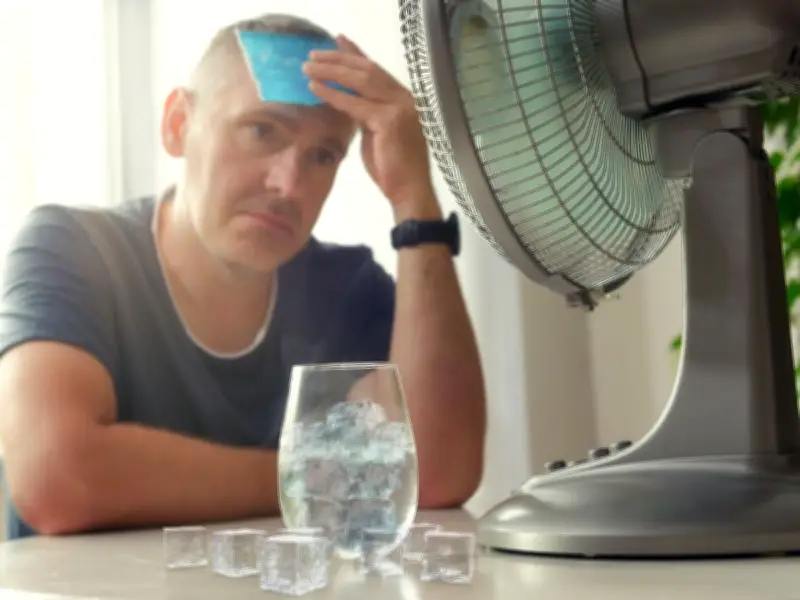
For fan owners, a simple trick: place a bowl of ice behind the fan. "Put a bowl of ice behind a fan and turn the fan on and it will draw cold air above the ice and create some cooling effect," Andrew says. This low-cost alternative to air conditioning uses only freezer ice.
Ensure heating isn't accidentally warming the house
Many forget to adjust heating systems in summer. "Make sure your heating is not accidentally coming on," Andrew urges. "Make sure it's in summer-only mode so it only creates hot water if you need it. Sometimes heating systems are left on and they inadvertently create heat. It'll also save energy on your boiler." He also recommends checking the thermostat is turned down.
Use shade wherever possible
Keeping direct sunlight away from windows is key. Whether via blackout blinds, closed curtains, or natural shade from trees, stopping sunlight entering is far more effective than cooling afterward. As Andrew puts it: "Shade is your friend."
Consider a portable air conditioner for sleep
While not cheap, portable self-condensing air conditioning units have become more affordable, around £300. These vent hot air through a hose out a window. Andrew paid about £1,400 to install air conditioning in one room: "It gives you a safe haven to sleep because that's what gets impacted most when heat comes." He also reminds people to drink plenty of fluids and avoid prolonged direct sunlight during extreme heat.




