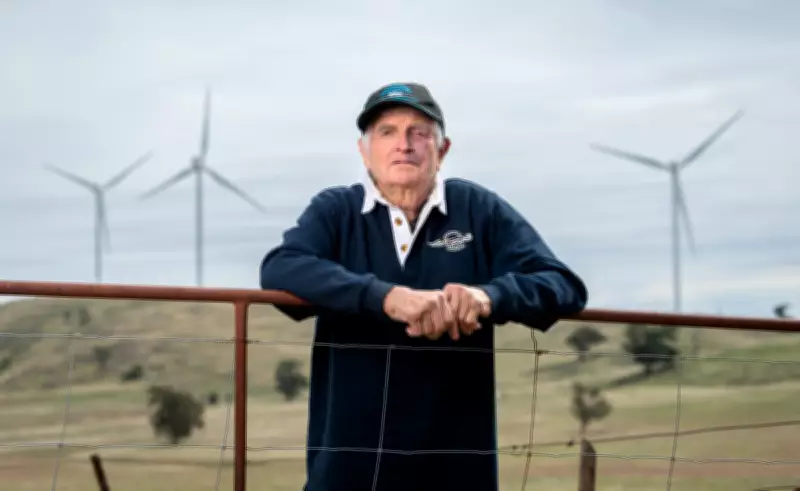
As Victoria gears up for its upcoming state election, renewable energy policy is shaping up to be a pivotal issue, with major parties staking out contrasting positions on how to accelerate the transition to clean power. The debate centers on whether to fast-track renewable energy projects or to proceed with greater caution, balancing environmental goals against community and ecological impacts.
Fast-Tracking vs. Community Concerns
The incumbent Labor government has championed a fast-track approach, arguing that urgent action is needed to meet emissions reduction targets and address the climate crisis. Proponents claim that streamlining approvals for wind and solar farms, as well as transmission lines, is essential to unlock investment and create jobs. However, critics warn that this approach risks ploughing through local opposition and environmental safeguards.
Opposition parties, including the Greens and some independents, have called for a more considered process that gives greater weight to community input and biodiversity protection. They argue that rushing projects can lead to conflicts over land use, harm to native species, and inadequate consultation with residents. The Coalition, meanwhile, has focused on energy reliability and cost, questioning the pace of the transition and its impact on household bills.

Key Points of Contention
- Approval Processes: Labor's proposed reforms would shorten timelines for environmental assessments and public consultations, while opponents demand more rigorous scrutiny.
- Transmission Infrastructure: New power lines are needed to connect renewable zones to the grid, but farmers and communities have protested against routes that cross private land.
- Local Benefits: There is debate over whether communities hosting renewable projects should receive direct compensation or lower electricity prices.
Stakes for the Election
With Victoria aiming for net-zero emissions by 2045, the outcome of this election will shape the state's energy landscape for decades. Polls suggest that voters are broadly supportive of renewable energy but are divided on the pace and methods. The Labor government is betting that a strong climate record will resonate with urban voters, while rural and regional constituencies may prioritize local concerns.
Analysts note that the renewable energy debate intersects with other issues such as cost of living, jobs, and regional development. The party that can best articulate a balanced vision may gain an edge in a tightly contested election. As the campaign heats up, both sides are expected to release detailed policy platforms, making renewables a defining issue of the 2026 Victorian election.