New South Wales has recorded its second driest April since records began, intensifying concerns that an El Nino weather pattern may be developing. The Bureau of Meteorology confirmed that the state received just 8.6 millimetres of rainfall on average, significantly below the historical April mean of 41.6 millimetres.
Driest April on Record for Some Regions
Several areas in NSW experienced their driest April ever, including Sydney, which recorded only 2.4 millimetres of rain, shattering the previous record of 8.2 millimetres set in 1876. The lack of rainfall has heightened worries about water shortages and increased bushfire risk as the state heads into the cooler months.
El Nino Watch Issued
The Bureau of Meteorology has issued an El Nino watch, indicating a 50% chance of the climate pattern forming in 2026. El Nino typically brings hotter, drier conditions to eastern Australia, exacerbating drought and heatwaves. The last significant El Nino event in 2015-2016 contributed to severe drought and record-breaking temperatures.

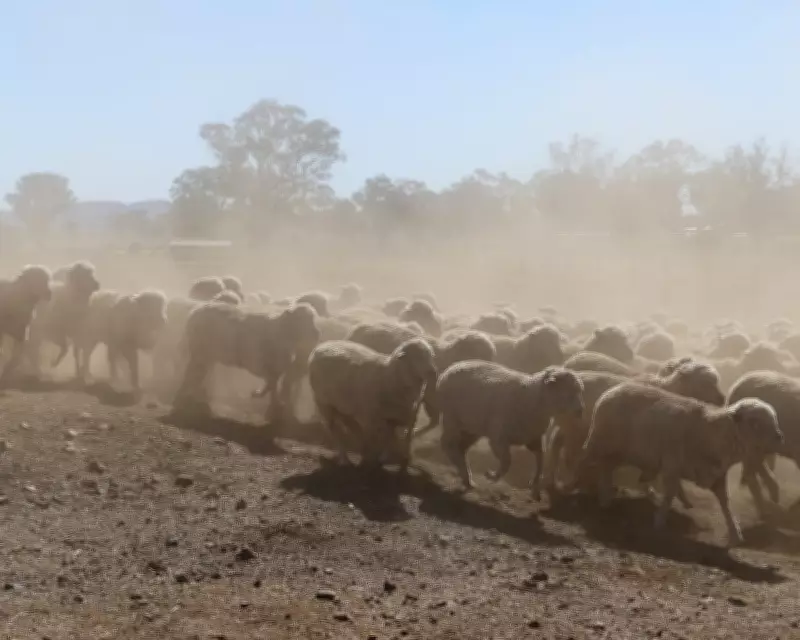
Farmers across NSW are already feeling the impact, with many reporting poor crop yields and dwindling water supplies. The NSW Farmers Association has called on the state government to provide additional support, including drought relief funding and access to emergency water supplies.
Water Restrictions Possible
WaterNSW has warned that if dry conditions persist, mandatory water restrictions may be introduced in major cities including Sydney, Newcastle, and Wollongong. Currently, water storage levels in the state stand at 85%, but this could drop rapidly if the dry spell continues.
Climate scientists have linked the extreme dryness to broader climate change trends, noting that rising global temperatures are making droughts more frequent and severe. Dr. Sarah Perkins-Kirkpatrick, a climate scientist at the University of New South Wales, stated, "What we are seeing is consistent with what climate models have predicted for decades. The risk of El Nino is increasing, and we need to prepare for more intense dry periods."
The federal government has announced it is monitoring the situation closely and will activate emergency response plans if necessary. Meanwhile, residents are urged to conserve water and be vigilant about fire safety.