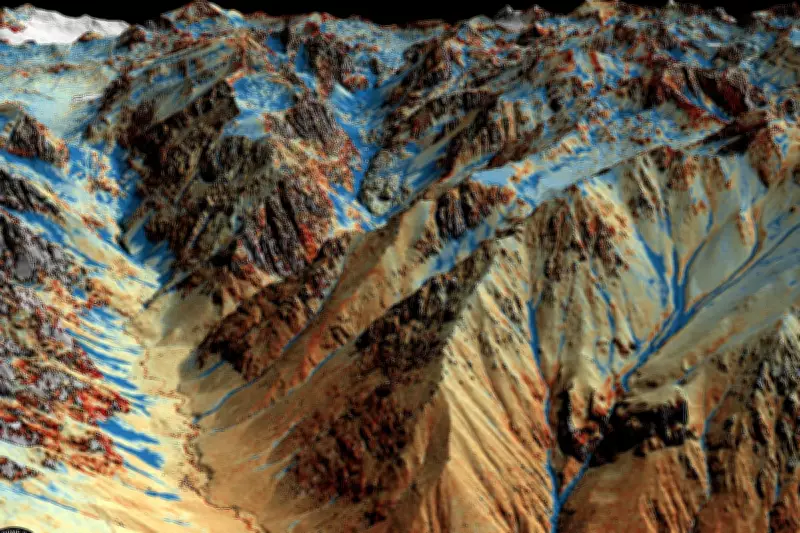
Snowpack levels across the western United States have fallen to critically low levels, prompting urgent concerns about water supplies, drought conditions, and heightened wildfire risks in the coming months. According to recent measurements, many key mountain basins are reporting snow water equivalent values well below average, with some areas at less than half of their typical accumulation for this time of year.
Record Low Snowpack Reported
In the Sierra Nevada range, snowpack readings are among the lowest ever recorded, with some stations showing just 30% of the historical average. The Cascade Range in the Pacific Northwest is similarly affected, with snowpack levels dropping to 40% of normal in some locations. The Rocky Mountains, which feed major river systems like the Colorado and Rio Grande, are also experiencing significant deficits.
Implications for Water Supply
The low snowpack poses a direct threat to water availability for millions of residents, farmers, and ecosystems that depend on spring and summer meltwater. Reservoirs across the West are already at reduced capacities, and the lack of snowmelt will exacerbate shortages. States such as California, Nevada, Arizona, and Colorado are particularly vulnerable, with many communities already implementing water conservation measures.

Agricultural regions, which rely heavily on irrigation from snow-fed rivers, face potential crop losses and economic strain. The situation is especially dire for farmers in California's Central Valley, where water allocations have been cut significantly.
Wildfire Risk Intensifies
With less snow cover, the region is also bracing for an intense wildfire season. Drier conditions in forests and grasslands increase the likelihood of large, fast-spreading fires. Fire officials are warning that the combination of low snowpack, prolonged drought, and above-average temperatures could lead to catastrophic blazes.
Climate Change Connection
Scientists attribute the declining snowpack to long-term climate change, which has caused warmer winters and earlier snowmelt. Many studies project that snowpack in the West will continue to diminish over the coming decades, potentially leading to chronic water shortages and ecosystem disruption.
In response, some states are investing in water storage projects, desalination plants, and conservation programs. However, experts emphasize that without significant reductions in greenhouse gas emissions, the region will face increasingly severe water crises.