
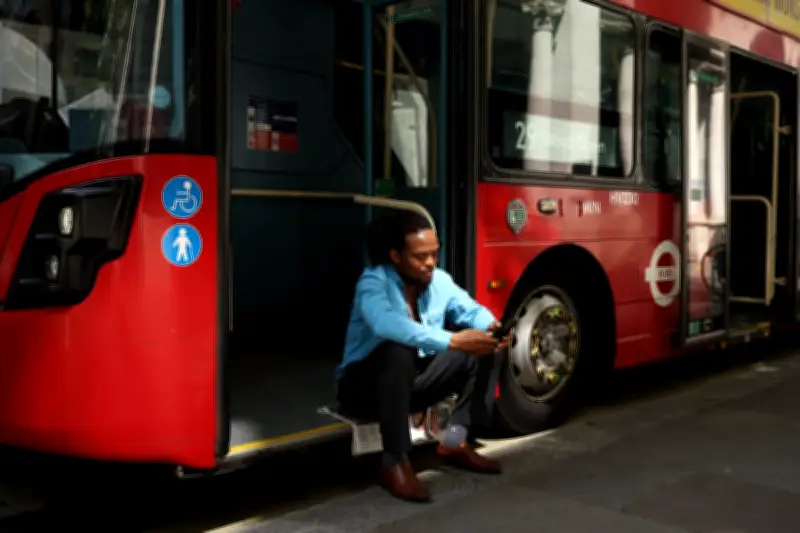
Repeated bouts of extreme heat are exposing weaknesses on London’s bus network, with drivers struggling to cope as the capital faces its third heatwave of the year. Temperatures are forecast to reach the mid-30s on Wednesday, with an amber alert from the UK Health Security Agency in place until Sunday, July 12.
Cab Temperatures Exceed 40°C
Bus drivers have reported temperatures exceeding 40°C inside their cabs during previous heatwaves in May and June, with some describing feeling sick, exhausted and suffering from fainting spells because many vehicles are not equipped with air conditioning. Transport for London (TfL) says it is not possible to retrofit its existing bus fleet with air conditioning, meaning it must rely on other measures to reduce the impact of extreme heat until its new buses enter service.
TfL's Emergency Measures
Speaking at TfL's board meeting on Wednesday, Chief Operating Officer Claire Mann said the recent heatwaves have been "incredibly challenging" for both the transport authority and bus operators. She acknowledged that the network's cooling system "isn't as good as we would like it to be" and outlined a series of emergency measures put in place to help staff cope. All performance targets during the hot weather have been relaxed to allow drivers to take additional breaks. "We're saying if you're feeling unwell or you're feeling fatigued you must stop the bus," Mann said. "And we won't penalise the operator for that."
Cooling Systems and Taskforce
Cooling system checks are being carried out across the fleet, while TfL is reviewing how bus services operated during June's red-alert days to determine whether some routes can be adjusted during periods of extreme temperatures. Cooling towels and cooling vests for drivers are also being considered as part of the response, and a taskforce involving Unite and bus operators has been launched, with the first meeting to be held on Monday. "Funding is challenging but we recognise this is going to be a challenge for the summers to come," Mann added.
Fleet Replacement Plan
TfL plans to replace its entire fleet with electric buses equipped with air conditioning by 2034. But until the older models are phased out, it is taking steps to adapt its existing fleet to the warming climate. Board member and Chair of London and Eastern Unite the Union, Jim Kelly, questioned whether TfL was moving quickly enough to address the problem now that heatwaves were becoming more frequent. "It seems to me we're not getting anywhere fast," Kelly said, "and these heatwaves, they're coming, they're more frequent - amber and red alerts - and if you do travel on buses in London it's very uncomfortable, specifically for the driver."
Air Conditioning on New Buses
Kelly questioned whether air conditioning should be mandatory on all newly procured buses, whether retrofit systems could be installed on older vehicles and whether existing air cooling systems were functioning as intended. Mann said air conditioning had been specified for new buses and set at a "challenging level" for manufacturers, with the systems to be introduced as part of the new vehicle rollout. But TfL Commissioner Andy Lord said there were limits to what could be done with the capital's ageing transport fleets. "Converting existing fleets to air conditioning or air cooling is not viable or possible so that's why we will continue to make the case for funding from central government for the money to renew or replace rolling stock."
Underground Ventilation
Lord said the focus for older London Underground trains, including those on the Central, Jubilee and Northern lines, was ensuring ventilation systems were operating effectively to maintain airflow. "The last thing we want is people choosing not to travel because their journey experience is not a good one," he added.
Drivers' Safety Concerns
London bus drivers previously told The Standard that sweltering conditions on board during hot weather is compromising safety, saying they can struggle to concentrate on the road or see properly through the "sweat dripping on your eyes." One driver explained: "You're trying to hold onto the steering wheel, but your hands are sweating, you're losing control and you've got sweat dripping over your eyes and you're just feeling dizzy, you can't concentrate on the road. You see the traffic lights just glaring. You just gotta stop sometimes and be like, 'woah is this even safe?'"
Pressure to Continue Working
Despite protocols being in place requiring them to stop, some drivers said they feel compelled to continue working because of their responsibility to passengers and fears they could be "called into the office" to explain why they did not carry on.
Mayor's Call to Protect Workers
Speaking at the meeting on Wednesday, London Mayor Sadiq Khan said the heatwave had highlighted the urgent need to protect frontline transport workers. "Those of us who were here during the pandemic know how important our frontline workers were and took risks with their own personal safety to make sure our city kept on running. This heatwave has reminded us they are an invaluable asset and we need to look after them." He urged the board to do all it could to protect frontline workers, including NHS and transport staff, on whom London relies so heavily.




