
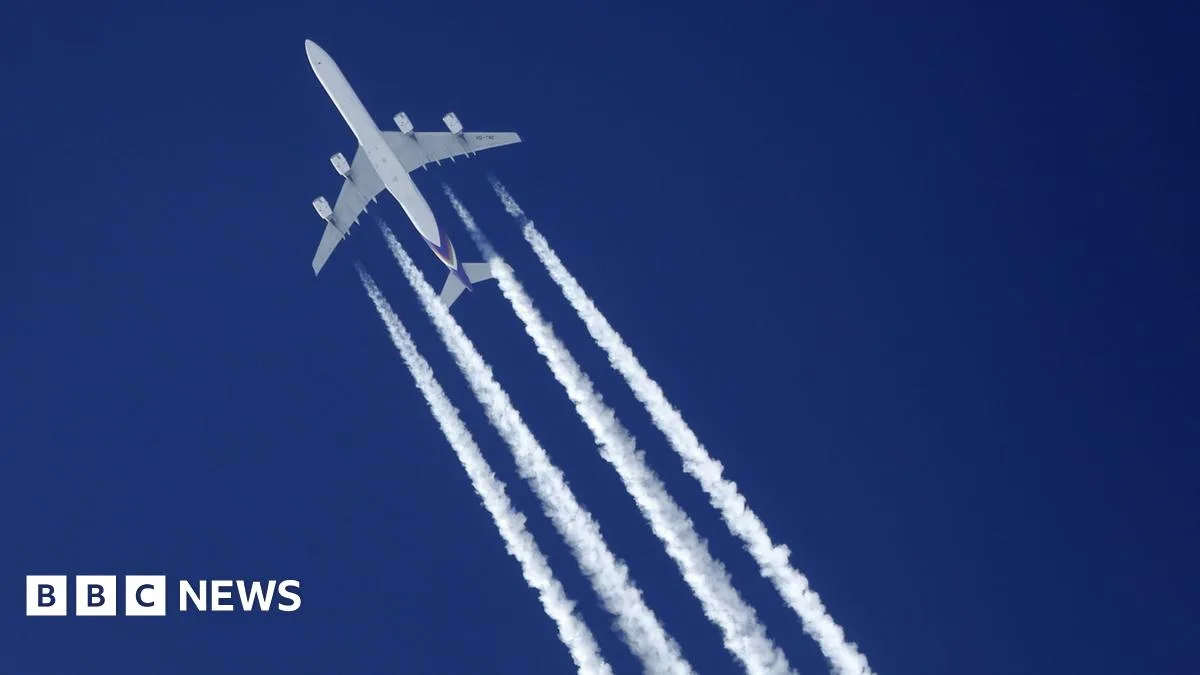
Scientists have warned that guilt-free flying remains a distant prospect, despite government ambitions to achieve 'jet zero' by 2050. A new report from the Royal Society concludes that there is currently no single, clear alternative to traditional jet fuel that can be implemented in the short term.
The report examined four options for greener fuels to replace the 12.3 million tonnes of jet fuel used annually in the UK. It found that biofuels, hydrogen, ammonia, and synthetic fuels all face significant barriers, including insufficient renewable electricity, competition with food production, and the need for new aircraft and airport infrastructure.
For example, producing enough biofuel to supply the UK aviation industry would require half of Britain's farming land, putting pressure on food supplies. Similarly, hydrogen-based fuels require vast amounts of green electricity that the UK currently cannot generate. Existing plane engines also cannot use hydrogen-based fuel.
The Royal Society stresses that a successful alternative fuel will likely be developed in the long term, but airplanes and airports will need to be redesigned. They call for more research into sustainable aviation fuel, suggesting the UK could become a global leader if it invests in solving the problem.
The trade body Airlines UK said the sector is committed to the 2050 target and that sustainable fuels are safe and increasingly commonplace. It argued that the UK has sufficient feedstocks from waste sources that do not compete with food crops. Environmental campaigners, however, urge the government to also encourage people to fly less, proposing a Frequent Flyer Levy to target the small number of people who take around 70% of flights from UK airports.




