
Six Republican lawmakers have complained to Canada about wildfire smoke affecting their constituents, just days after voting for a major bill that experts say will increase planet-heating pollution and worsen wildfires.
In a letter sent on 7 July to Canada’s ambassador, the group from Wisconsin and Minnesota said their voters “have had to deal with suffocating Canadian wildfire smoke” that limited outdoor activities and created dangerous air quality. They urged Canada to take “proper action” to reduce the smoke, without mentioning climate change.
However, all six signatories—Tom Tiffany, Brad Finstad, Tom Emmer, Glenn Grothman, Michelle Fischbach and Pete Stauber—voted for the Republican reconciliation bill signed by President Trump on 4 July, which slashes renewable energy support and boosts fossil fuel production. Green groups have called it “the most anti-environment bill of all time”.
Analysis of Princeton University data found the legislation, combined with Trump’s executive actions, will release an extra 7 billion tonnes of greenhouse gases in the next five years. Scientists say this will exacerbate the climate crisis, which is already making wildfires longer and fiercer. The area burned in the US west has increased eightfold since the 1980s, and toxic wildfire smoke killed 15,000 Americans between 2005 and 2020.
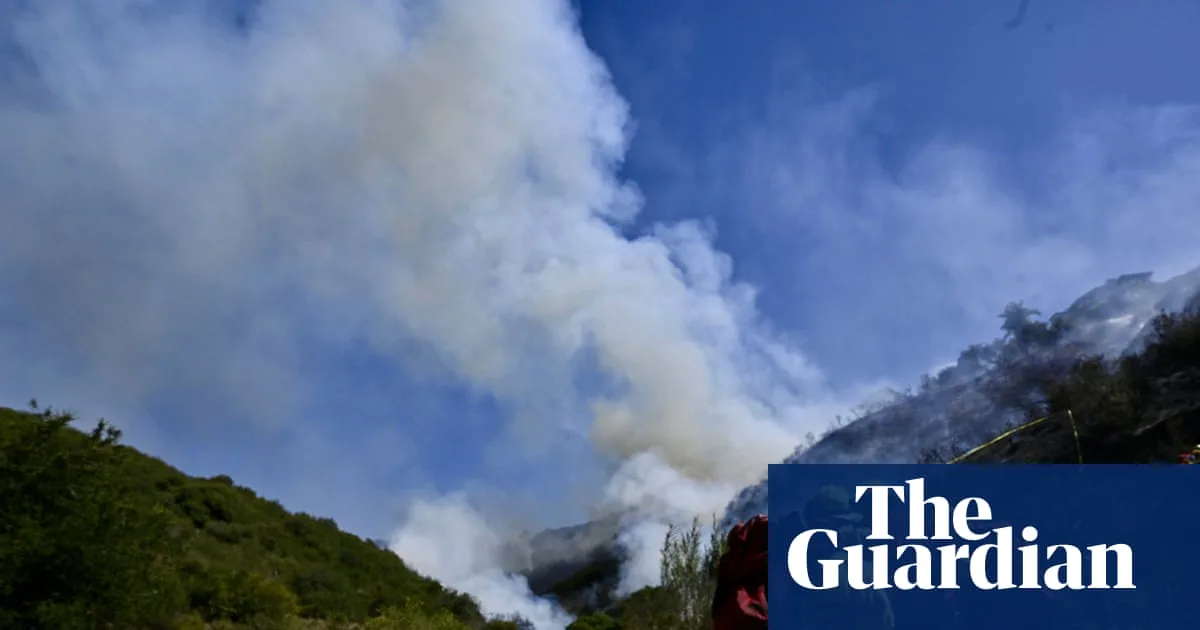
More than 100 wildfires are burning in Canada’s Manitoba province, sending smoke southwards and triggering air quality alerts for over 20 million people in Minnesota, Wisconsin and Michigan. Climatologist John Abatzoglou of the University of California, Merced, said climate change is a major factor, with “hot, dry, tinderbox conditions” becoming more common. He noted that the current fires are in remote boreal forests ignited by lightning, making suppression difficult, and urged cutting carbon emissions to address the root cause.
Climate groups criticised the letter. Pete Jones said: “Trump and Republicans in Congress just passed a bill that will increase pollution and put Americans at greater risk from the danger of extreme weather.”




