
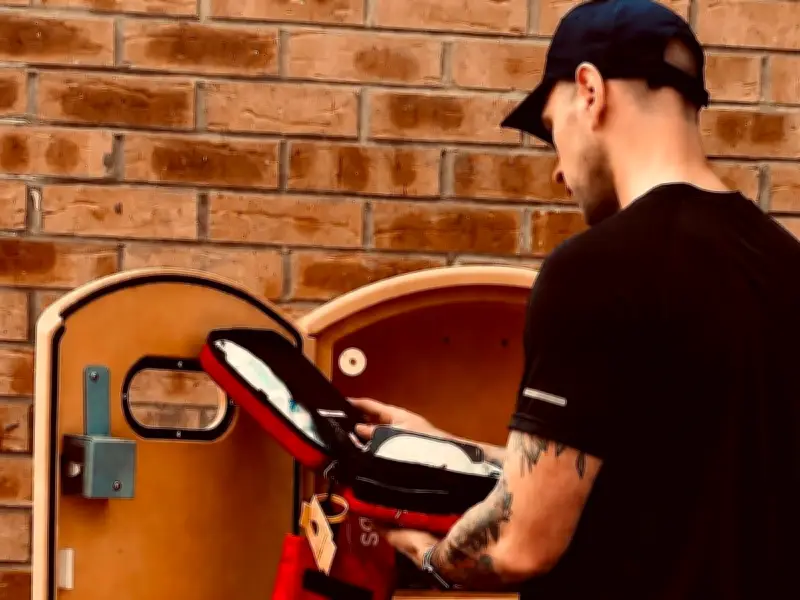
Tom Dodds: A Defibrillator Guardian in Gateshead
Tom Dodds, a 39-year-old ambulance service technician from Chopwell, Gateshead, has become a vocal advocate for maintaining publicly accessible defibrillators. He believes that his efforts in looking after defibrillators in the Chopwell and Greenside areas have contributed to saving numerous lives. Around six years ago, Dodds decided to install a defibrillator outside his home after witnessing through his emergency services work how prompt access to such a device could make a life-saving difference before paramedics arrive at a cardiac arrest scene.
Guardianship and Community Impact
Dodds now not only maintains defibrillators himself but also helps others take on the responsibility, which he describes as "not a huge ask" but capable of making a significant impact. He said: "With regard to guardianship, I started off as the guardian of one defibrillator unit outside of my house. From there I have gone on to raise the funds for a few more around the local area." He added: "For them to be easily accessible is such a benefit. Because we are so rural here, there can sometimes be delays in emergency services getting to us. Every minute makes a difference to a person's chances of survival and having a defibrillator available in the community is a godsend. Giving someone prompt treatment before the ambulance arrives can absolutely make the difference."
Life-Saving Example
While living in Greenside, Dodds witnessed a clear example of the importance of publicly available defibrillators. He recalled: "The one outside of my house in Greenside delivered nine shocks to someone before the ambulance arrived - and they were taken to hospital with active circulation. To use a defibrillator is straightforward - they are almost foolproof." He explained that his routine checks involve a quick look whenever he passes, usually daily, and a full inspection weekly.
Resuscitation Council UK Campaign
Dodds spoke to ChronicleLive in support of the Resuscitation Council UK (RCUK) charity. In June, RCUK ran the "check your defib" campaign to highlight that defibrillators can only save lives if they are working. This requires guardians to maintain their registered defibrillators and ensure they are correctly listed on The Circuit, an online database. By updating the database, ambulance service call handlers can know whether a publicly-available defibrillator can be used and whether to direct a caller to one.
Checklist and Statistics
The RCUK has developed a checklist to help guardians carry out routine checks, such as verifying that the battery is charged and the shock pads are in date and sealed. The charity reported that in Newcastle alone, 386 defibrillators are currently registered on The Circuit. However, one in three of the UK's most deprived communities do not have a defibrillator registered, reflecting a postcode lottery.
Clinical Director's Statement
Adam Benson Clarke, clinical director at RCUK, said: "Defibrillators can make the difference between life and death, but only if they are properly maintained and accessible. Too many devices risk failing at a critical moment due to simple issues like expired pads or flat batteries. By taking just a few minutes to check and update defibrillators on The Circuit, guardians can play a direct role in improving survival from cardiac arrest."
How to Find a Defibrillator
Members of the public can use DefibFinder to locate their nearest defibrillator.




