
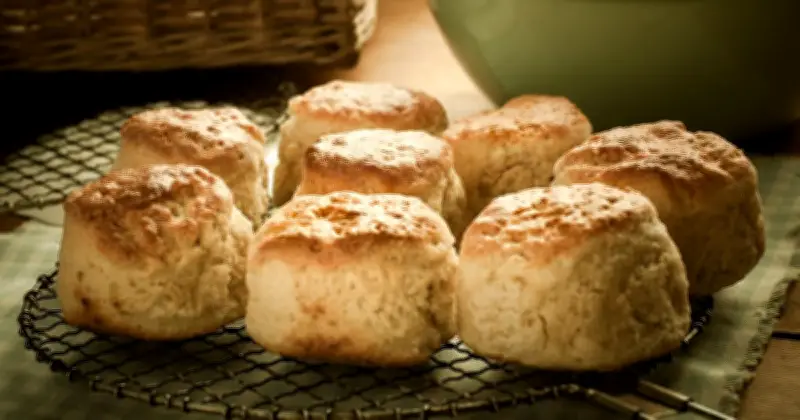
Freezing scone dough before baking is a simple step that transforms the texture, yielding a softer, lighter, and taller bake. According to baking experts, this technique prevents dry, dense scones by keeping butter cold until it hits the oven.
The Science Behind Freezing Scone Dough
When scone dough is frozen for 20 to 30 minutes before baking, the butter remains solid. Once in the oven, the butter melts rapidly, releasing steam that creates air pockets. This process results in a tender, airy interior. Baker and recipe creator Jen, from Baked by an Introvert, explains: “Freeze the dough – For a super soft texture, it’s important to keep the dough cold. Use cold ingredients and handle the dough as little as possible with your hands. After shaping the scones, place them on a baking sheet and pop them into the freezer for 20 to 30 minutes. The steam from the melting butter creates air pockets which will make the inside tender and light.”
Improved Rise and Moisture Retention
Freezing also relaxes the gluten in the flour, which contributes to a greater rise during baking. King Arthur Baking advises: “Freeze for more moisture and a better rise: Freeze your scones for about 30 minutes before baking to help them rise taller while maintaining moisture and flavour.” This extra step ensures scones are not only soft but also well-risen and moist.
Practical Tips for Freezing Scone Dough
To achieve the best results, use cold ingredients and handle the dough as little as possible. After shaping, place scones on a baking sheet and freeze for 20 to 30 minutes before baking. For longer storage, unbaked scone dough can be kept in the freezer for three to four weeks. Store them in freezer bags or containers with baking paper to prevent sticking. Label the bags with a date for easy identification.
Serious Eats notes the convenience of this method: “When you're ready for fresh scones, just preheat the oven and bake as directed. Since scones stale rather quickly once they're baked, this trick is especially useful in the short term, allowing you to enjoy freshly baked scones at their prime all weekend long.”
Why Homemade Scones Are Worth the Effort
While shop-bought scones are convenient, homemade versions offer superior taste and texture. With just a few basic ingredients and the freezing trick, even amateur bakers can produce scones that are soft, fluffy, and tall. Whether sweet or savoury, homemade scones are a versatile treat that elevates any afternoon tea.




