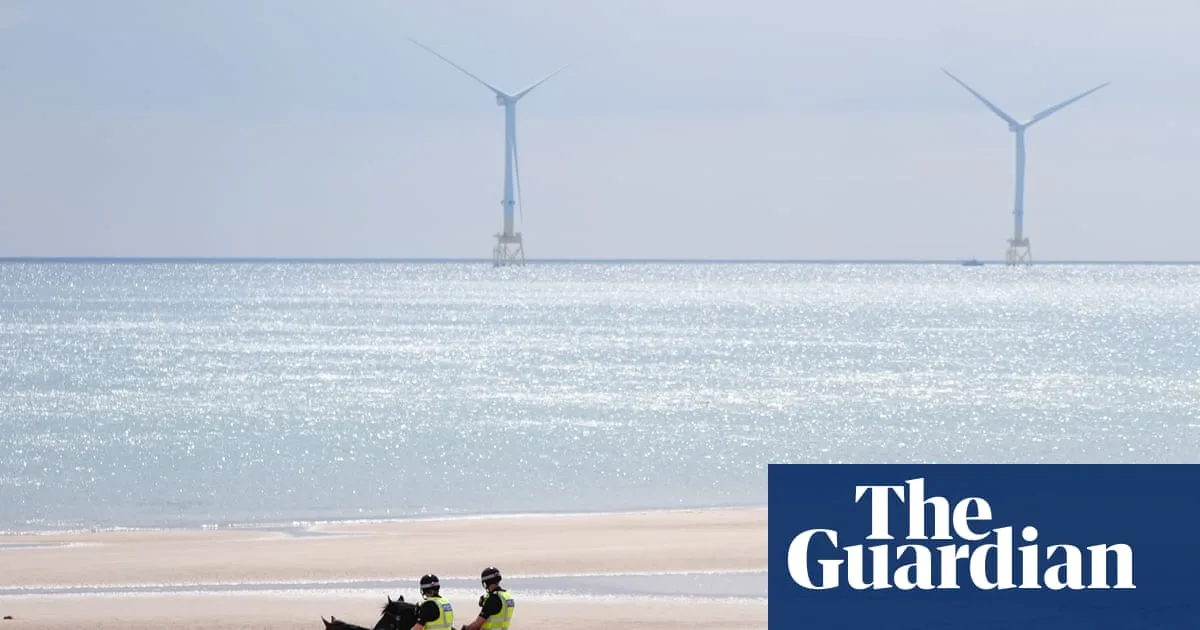
During a press conference at his Turnberry golf course in Scotland, US President Donald Trump launched an unprompted attack on wind power, calling it 'the worst form of energy' and claiming turbines should not be allowed. His comments came as he visited the resort for the first time since the nearby Kirk Hill windfarm began operating eight turbines.
Trump's assertion that wind power is the most expensive form of energy is false. Onshore wind is cheap to build and generates electricity inexpensively. Offshore wind costs more to build but can produce electricity very cheaply when windy. While there are costs, such as paying windfarms to switch off during high winds to avoid overloading the grid, offshore wind remains less expensive than nuclear and cheaper than fossil fuels, with a stable price compared to volatile gas markets.
On claims that windfarms kill whales, the US National Oceanic and Atmospheric Administration states there are no known links between large whale deaths and offshore wind activities. Whales may be disturbed during construction, but these surveys are smaller than those for oil and gas. Most whale deaths are caused by fishing gear and ocean warming from fossil fuel burning.
Trump said turbines 'kill the birds', which is true to an extent, but the proportion is tiny compared to deaths from domestic cats, power lines, and habitat destruction. Some projects, like one in Norway, have reduced bird deaths by 70% by painting turbines black.
Trump's claim that turbines rust and rot within eight years is false; they have a typical lifespan of 20-25 years. While blades are made from non-biodegradable fibreglass, 96% of a turbine is recyclable, and scientists have found ways to repurpose blades into cement, footbridges, and noise barriers.
However, Trump was correct that China accounts for about 60% of global wind turbine production, though this does not invalidate the benefits of wind energy.