
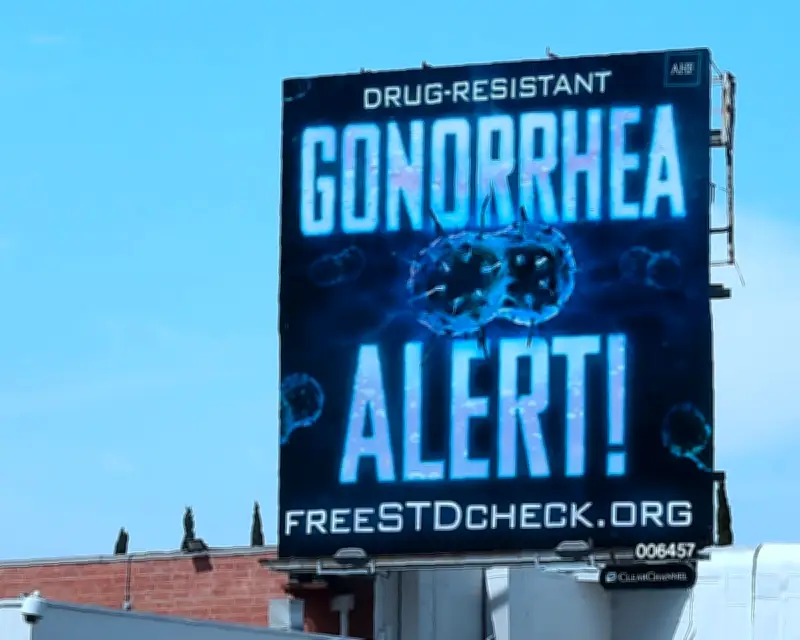
A surge in drug-resistant sexually transmitted infections (STIs) in Europe should alarm people worldwide, including those in low- and middle-income countries (LMICs) who may not consider themselves at risk. This trend highlights a broader problem: drug-resistant bacteria are now spreading easily beyond hospital settings into communities across every country, driven by global travel and dense urban living.
Unprecedented Spike in Drug-Resistant Gonorrhoea
In 2020, there were 82 million new gonorrhoea cases globally, with the majority in LMICs. An increasing number of these infections are becoming difficult or impossible to treat as antimicrobial resistance (AMR) erodes antibiotic effectiveness. Extensively drug-resistant strains detected in Cambodia have spread to France and Australia. Gonorrhoea is nearing untreatability, with only one last recommended antibiotic, ceftriaxone, remaining effective, and resistance to it is growing.
Community Spread: A New Frontier for AMR
Drug-resistant bacteria no longer remain confined to hospitals, where they threaten intensive care and cancer patients. They circulate in communities through routine interactions and can persist on surfaces. The gene for last-resort antibiotic resistance, first identified in the 1990s, spread globally within a decade. Community-acquired methicillin-resistant Staphylococcus aureus (MRSA) is becoming more common and dangerous, especially for vulnerable groups like cancer patients.
Implications for Global Health
Health systems in LMICs, already strained, face severe consequences from untreatable infections. Large studies report high drug-resistant infection rates among cancer outpatients, with pneumonia occurring frequently and carrying significant mortality risk. Antibiotic stewardship alone cannot address the problem, as resistance development outpaces new drug development. One in six bacterial infections is now resistant to first-line antibiotics.
A New Model for Antibiotic Development
The traditional commercial model fails to deliver needed antibiotics for LMICs. A not-for-profit model, exemplified by zoliflodacin for multidrug-resistant gonorrhoea, shows promise. Developed by the Global Antibiotic Research & Development Partnership (GARDP), it prioritises access and stewardship over profit. According to Peter Beyer, deputy executive director of GARDP, this approach can create antibiotics as global public health goods.
The Tipping Point of AMR
Nearly 5 million AMR-related deaths occur annually, expected to rise 70% by 2050. As drug-resistant infections take hold in communities, the boundary between everyday life and high-risk settings disappears. Ordinary interactions become pathways for hard-to-treat infections. Urgent action is needed to prevent a future where common infections cannot be reliably treated, with consequences far beyond hospital walls.




