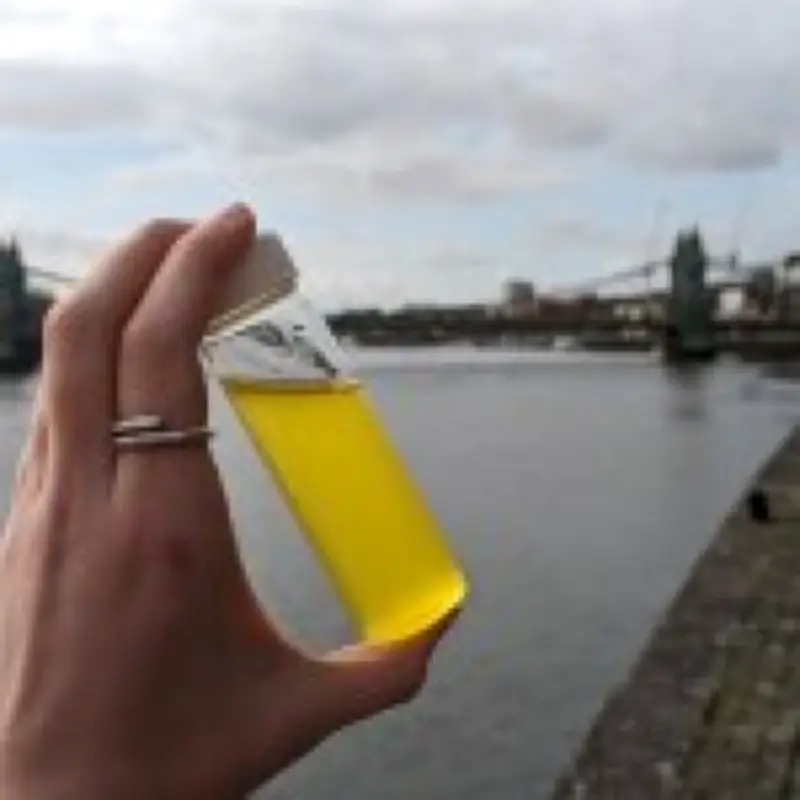
E.coli levels in the River Thames have soared to more than 60 times the safe swimming threshold after a sewage spill during a heatwave, as Londoners sought to cool off in the water. Fulham Reach Boat Club recorded 58,000 colony-forming units (cfu) per 100ml of water, far exceeding the 900 cfu per 100ml threshold that classifies inland water as 'poor'. The contamination is believed to have been caused by a spill at Fulham Reach.
Thames Water Confirms Spill During Tideway Tunnel Maintenance
Thames Water acknowledged the incident, stating: 'We can confirm that an isolated spill occurred at Fulham Reach during planned maintenance works, as part of the Tideway Tunnel testing and commissioning programme.' The £4.6 billion Tideway Tunnel was designed to reduce sewage pollution, yet the spill occurred on Thursday, the hottest June day on record, with temperatures reaching 36°C.
Campaign group River Action highlighted that the spill happened during dry weather, breaching regulations that allow sewage releases only during heavy rainfall. Although the stretch of the Thames at Fulham Reach is not designated for bathing, rowers and kayakers frequently use the water.
Thames Water Cites Unexpected Storm
Thames Water explained: 'The work required the temporary isolation of key assets to ensure their long-term reliability and performance. The maintenance was scheduled during a period of dry weather to minimise operational risk. However, an exceptional and highly localised storm occurred unexpectedly during this time, which resulted in the spill.'
The company added: 'While this incident coincided with essential maintenance activity, the Tideway Tunnel system played a key role in protecting the river by capturing and transferring significant volumes of wastewater for treatment. We are undertaking a detailed review of the circumstances, and any lessons learned will be applied to strengthen future maintenance planning and operational resilience, supporting the continued protection of the River Thames.'
Health Risks of E.coli
E.coli, specifically Shiga toxin-producing E. coli O145 (Stec), can cause severe diarrhoea, stomach cramps, and fever. Symptoms may last up to two weeks and can lead to haemolytic uraemic syndrome (HUS), a life-threatening condition causing kidney failure, particularly in children. The bacteria is often transmitted through contaminated food, close contact with infected individuals, or direct contact with infected animals or environments.