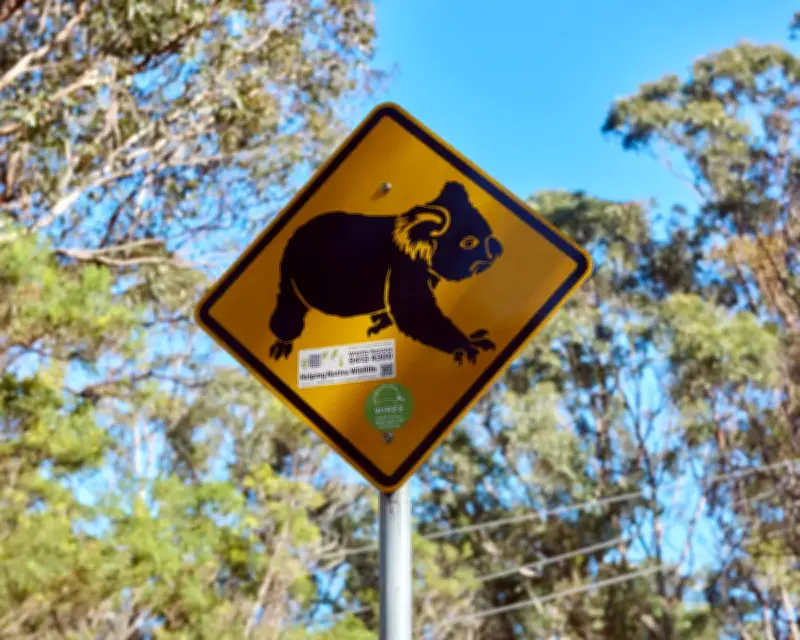
The Greens are considering whether to align with the Nationals to strike down a Labor plan that would create a long-discussed Great Koala national park in NSW and reduce native forest logging in the state.
The Albanese government approved a proposal allowing the park to create carbon credits worth hundreds of millions of dollars, sparking a schism among environmentalists.
What is at stake
The vote on the plan was scheduled for last week but has been delayed until next month after the Greens asked the Nationals for more time to reach a consensus position.

The plan would add 176,000 hectares of state forest to existing protected areas to create a 476,000-hectare reserve near Coffs Harbour. It is said to protect about 12,000 koalas, water catchments and carbon stores.
The final confirmation that the park would go ahead came in June, when the Albanese government approved a NSW proposal that allows it to use the park to create carbon credits.
Carbon credits controversy
Carbon credits are the centre of the Australian government's climate change policy. Each credit is said to represent one tonne of greenhouse gas emissions that has been prevented or drawn down from the atmosphere.
Scientific studies have found major shortcomings with the main types of projects used in Australia, suggesting many carbon credits do not represent real emissions reductions. But the Albanese government has largely rejected the concerns, and the credits continue to be sold.
Under the safeguard mechanism, which applies to about 200 big industrial sites, businesses can buy an unlimited number of credits at relatively low cost and claim them as their own emissions cuts.
Arguments for and against
Some campaigners, including the Australia Institute and former Greens leaders Bob Brown and Christine Milne, say the koala park should be blocked because the credits are not “additional” under carbon accounting rules. They say taxpayers should pay to end the native forestry industry.
But others, including NSW forest campaigners, First Nations’ groups and ecologist Prof David Lindenmayer, argue the method, known as “improved native forest management”, was strengthened during development and would cap logging in the state’s public and private native forests well below average levels over the past decade.
The number of carbon credits created through the proposal would be less than 1% of the total issued annually across Australia, meaning it would not decide whether polluters continue to have access to cheap credits.
Labor and the Greens may yet reach a compromise, possibly by legislating so that credits from protecting forests can only be bought by industries not involved in fossil fuel extraction and production. The NSW government has said it would do this.
NSW Greens MP Sue Higginson has warned things could get “worse, not better” if the carbon credits plan is disallowed.