Energy specialists have dismissed former prime minister Tony Blair's proposal to abandon the UK's net zero target and increase oil and gas drilling in the North Sea, calling it a "bizarre" intervention that would worsen instability for Britons. Their comments come as the UK broke records for solar energy generation this week amid a severe May heatwave linked to climate change.
Blair's Essay Sparks Outrage
In an essay published on Wednesday, Blair argued that the UK should exploit its remaining oil and gas reserves and scrap the legally binding goal of reaching net zero greenhouse gas emissions by 2050. He has repeatedly made similar arguments over the past two years, often citing ties to petrostates and funding from technology companies advocating for massive AI data centre expansion.
Ed Matthew, UK programme director at the E3G thinktank, said: "This is a bizarre intervention to make during the worst May heatwave on record and when the Iran crisis is providing yet more evidence of the enormous costs of oil and gas. Clean energy is cheaper energy – it protects our bills from prices skyrocketing, its running costs are virtually zero, and it doesn’t cause climate change which threatens economic collapse. The government should ignore Blair’s ideological nonsense and focus on what works."

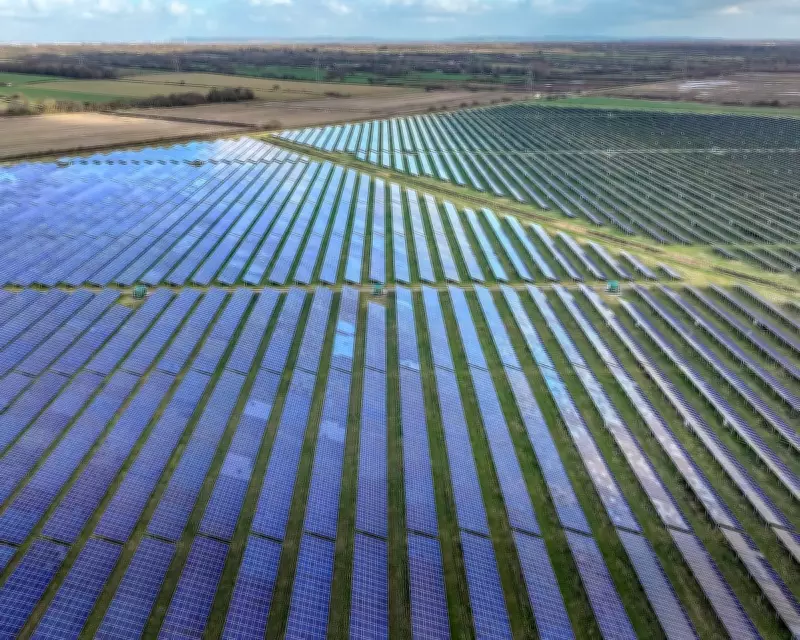
Record Solar Generation Amid Heatwave
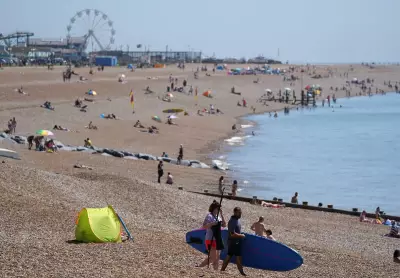
The UK recorded unprecedented levels of solar power generation this week, coinciding with a heatwave that scientists attribute to the climate crisis and fossil fuel dependency. Doctors have warned that older people and young children are at risk from the extreme temperatures, while farmers face heat stress on livestock and crops, potentially costing the economy over £200 million this year.
James Sutton, co-executive director of the Zero Hour campaign, said: "Blair’s interventions on energy policy would lock Brits into more instability and price shocks that, unsurprisingly, line the pockets of his billionaire funders, not everyday people. This myth that it’s either clean power or cheap power may have been his policy in 2007, but the world has moved on. Britain can no longer afford to outsource its energy security to Blair’s friends."
Political Reactions
The Conservative and Reform parties have also called for maximising production from the UK's diminishing North Sea reserves. However, Fatih Birol, head of the International Energy Agency, stated last month that new fields would have minimal impact and would not lower oil and gas prices for British consumers.
Tessa Khan, director of Uplift, a research and campaign group focusing on the North Sea, said: "The idea that the North Sea can be an engine for economic growth, that it would be able to help the underlying structural challenges of the UK economy, is for the birds."
A Labour source told the Guardian: "Blair has made these interventions many times before and they have not shifted the dial inside the government one bit. The government’s commitment to net zero and the North Sea position has been rock solid, and this is not going to change."
Economic and Climate Context
The net zero target is based on scientific advice from the Intergovernmental Panel on Climate Change, which states that achieving net zero around mid-century is essential to limit global heating to relatively safe levels. Last week, the UK's Climate Change Committee warned that global heating of 2°C by 2050 could cost the UK billions in damages from heatwaves, droughts, floods, and storms, while acting on net zero would bring economic benefits.
Jess Ralston, head of energy at the Energy and Climate Intelligence Unit, highlighted that renewable energy reduces bills, whereas oil and gas expose the UK to shocks. She said: "The British public are clearly seeing net zero technologies like solar as a way to take back control of their energy independence, and demand shows no signs of slowing down with energy bills rising in just a few months. Saving families hundreds a year; reducing our imports of foreign gas as the North Sea continues its inevitable decline; and boosting the economy as more people invest in installing these technologies – people are voting with their feet on the way to overcome the latest energy crisis."

Ralston also pointed to Spain, where higher renewable energy adoption is already shielding households from volatile gas prices, adding that electrification is the clear route to stabilised bills and more British energy independence.
Government Stance
A spokesperson for the Department for Energy Security and Net Zero said: "The government is implementing the manifesto commitment to deliver a fair and balanced transition in the North Sea – managing existing fields for the entirety of their lifespan, and not granting new exploration licences because they will not support our energy security and will not take a penny off bills."
Energy secretary Ed Miliband added: "As we face a second fossil fuel crisis in five years, Britain is taking back control of their energy by generating more clean power than ever before. Record-breaking solar growth means greater energy security, lower exposure to volatile fossil fuel markets which we can’t control. This is what our clean power mission looks like: backing homegrown energy, giving people more control over their bills, and building a stronger, more resilient energy system for the future."