
Met Office Warns of Another Heatwave
The Met Office has warned that another heatwave could arrive across the UK as early as Sunday, with temperatures forecast to climb into the early to mid 30s, particularly across the south west of England. For some, this will be welcome news, but for many who found last week's heat challenging, it's the announcement they've been fearing.
Tony Wisson, Met Office Deputy Chief Forecaster, said: “Toward the weekend, high pressure will continue to build in across most of the UK as it extends from the Azores. This will lead to more settled, warm or very warm conditions for many, especially across England and Wales, though some rain may still affect the far north.” He added: “The forecast for this weekend suggests that temperatures could approach high 20s°C across parts of England, perhaps 30°C in parts of the southeast, with values of mid to high 20s°C in Wales. Although a return to heatwave conditions is looking increasingly likely for some areas, the likelihood of such extreme high temperatures or high levels of humidity as last week is currently low.”
Simple Tips to Keep Your Home Cool
While it's unlikely to feel quite as oppressive as last week, being prepared is essential when facing extreme weather. Here are some steps you can take now to get your home ready for the climbing temperatures. One simple idea involves the bedroom you sleep in that might just get you thinking.
1. Grow Plants Outside Windows
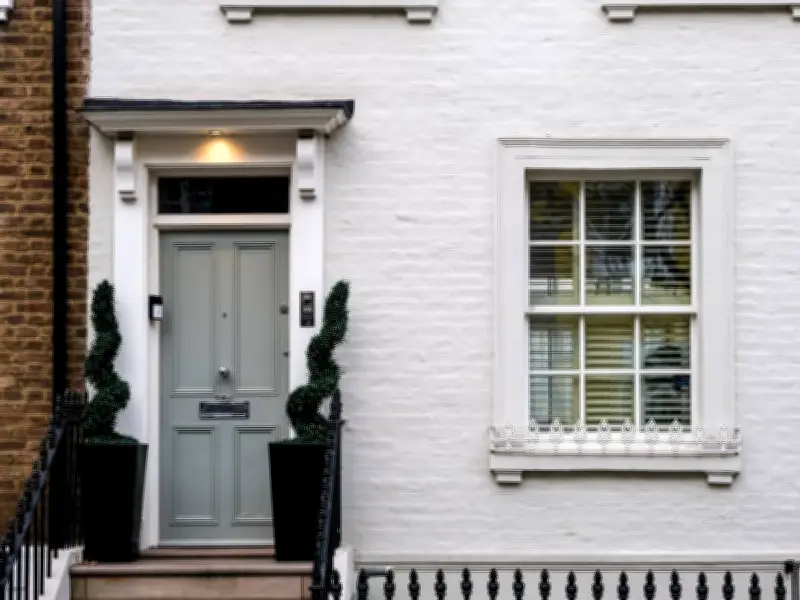
The Government's gov.uk website suggests trying to plant vegetation outside your windows. While you likely can't cultivate a plant from seed before Sunday, relocating windowsill planters containing mature plants could be a practical solution. "Growing plants outside can provide shade, which may be particularly helpful in front of south-facing windows, while plants inside may help cool the air." Interior blinds and curtains can offer shade, but they don't prevent the glass itself from warming up. This additional heat within a room can substantially raise your home's temperature.
2. Install External Shutters or Awnings
Another method recommended by the government to limit the amount of sunlight heating your windows is to fit external shutters. These can shade the interior of your home while also preventing temperatures from soaring on the glass. If you're unwilling to commit to a lengthy installation process, temporary awnings in gardens can provide shade for windows and doors.
3. Set Up a Temporary Bedroom
Many people never consider sleeping anywhere other than their bedroom, even when it's the warmest room in the house. Setting up a 'temporary bedroom' somewhere that remains cooler could make all the difference between a restful night's sleep and one spent tossing and turning. Make sure the spot you select can be kept dark and cool — the two key ingredients for a decent night's sleep. Dr Lindsay Browning, who holds a doctorate in insomnia, says: "Hot air rises, so if you live in a house with multiple floors, the upstairs bedrooms are often the warmest rooms in the house. During a heatwave, it might be worth temporarily sleeping in a downstairs bedroom, spare room, or even the living room if it is noticeably cooler," the sleep expert and founder of Trouble Sleeping - a sleep clinic based in Wokingham - says.
4. Invest in the Essentials
Putting aside a modest sum to ensure you remain safe and comfortable is almost always worthwhile. It needn't cost a fortune. A set of gel ice packs that you rotate in and out of the freezer can make a remarkable difference. Equally, if temperatures stay below 35 degrees Celsius, a standard electric fan can prove effective in keeping you cool. Bedding alternatives crafted from moisture-wicking fabrics such as bamboo and cotton can help you stay dry and comfortable throughout the night. While not strictly necessary, if you have elderly relatives, young children or pets you're worried about, fitting air conditioning could prove a worthwhile investment.
5. Check All Appliances
The Government advises you to: "Check that fridges, freezers, and fans are working properly, for example by checking that your food is remaining cold or frozen." They also recommend: "If you have a ventilation system in your home, check this is switched on and operating in 'summer mode' if it has one." Inspecting these appliances ahead of time means you can arrange any necessary maintenance to ensure they don't break down precisely when you need them most.




