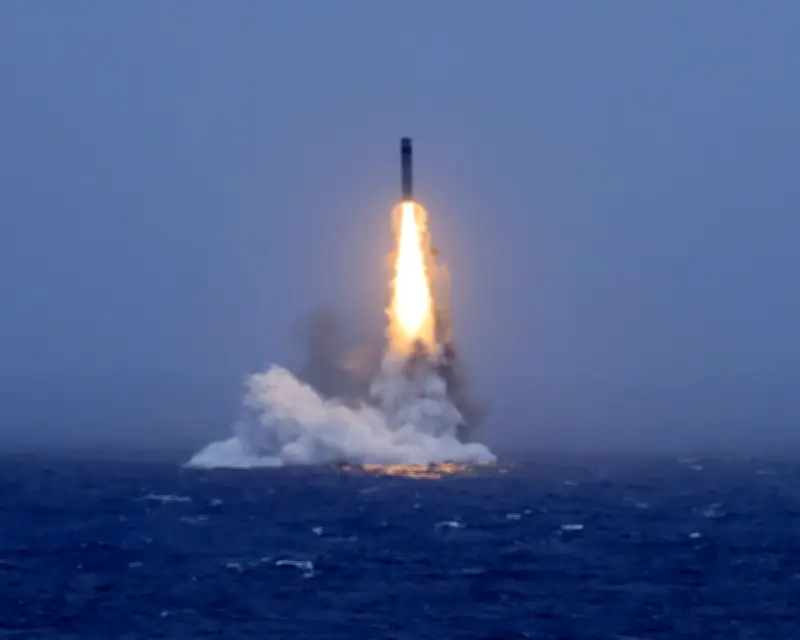
Australia has joined a growing chorus of international condemnation after China launched an intercontinental ballistic missile (ICBM) into the Pacific Ocean on Monday, with the test described as a breach of international law and conducted without adequate notice to neighbouring countries.
Missile Test Sparks Outrage
The missile, fired from a Chinese People's Liberation Army Navy submarine, was part of what Beijing called "routine" military training. A Chinese government spokesperson insisted the test was "safe" and urged critics to "not over-interpret it." However, the Australian government and other nations have expressed serious concerns over the lack of transparency and the potential risks involved.
Australian Prime Minister Anthony Albanese stated that the test risked fuelling dangerous nuclear proliferation, noting that if weaponised, the missile could cause "considerable damage." He emphasised that the test did not comply with international law and was conducted with "insufficient notice" to nearby countries, heightening regional tensions.
Regional Reactions and Concerns
The test has drawn criticism from multiple Pacific nations and international bodies, who view it as a destabilising move in a region already fraught with geopolitical rivalries. Critics argue that China's actions undermine efforts to maintain peace and security in the Pacific, a region increasingly seen as a strategic battleground between major powers.
China's military activities have been under scrutiny in recent years, with similar tests and patrols raising alarms about Beijing's long-term intentions. Monday's launch is the latest in a series of military demonstrations that have been met with diplomatic pushback from the US, Australia, and other allies.
Impact on Australia-China Relations
The incident threatens to further strain already tense relations between Australia and China. Canberra has been vocal about the need for transparency and adherence to international norms, particularly in military affairs. The Australian government has called on China to provide more details about its testing protocols and to engage in dialogue to prevent future misunderstandings.
Opposition leaders in Australia have also weighed in, urging the government to take a firmer stance against Chinese military expansion in the region. Some have called for increased defence cooperation with the US and other partners to counterbalance China's growing influence.
As the international community awaits further clarification from Beijing, the incident underscores the delicate balance of power in the Pacific and the challenges of maintaining stability amid rising geopolitical competition.