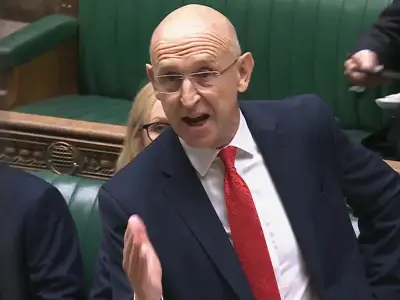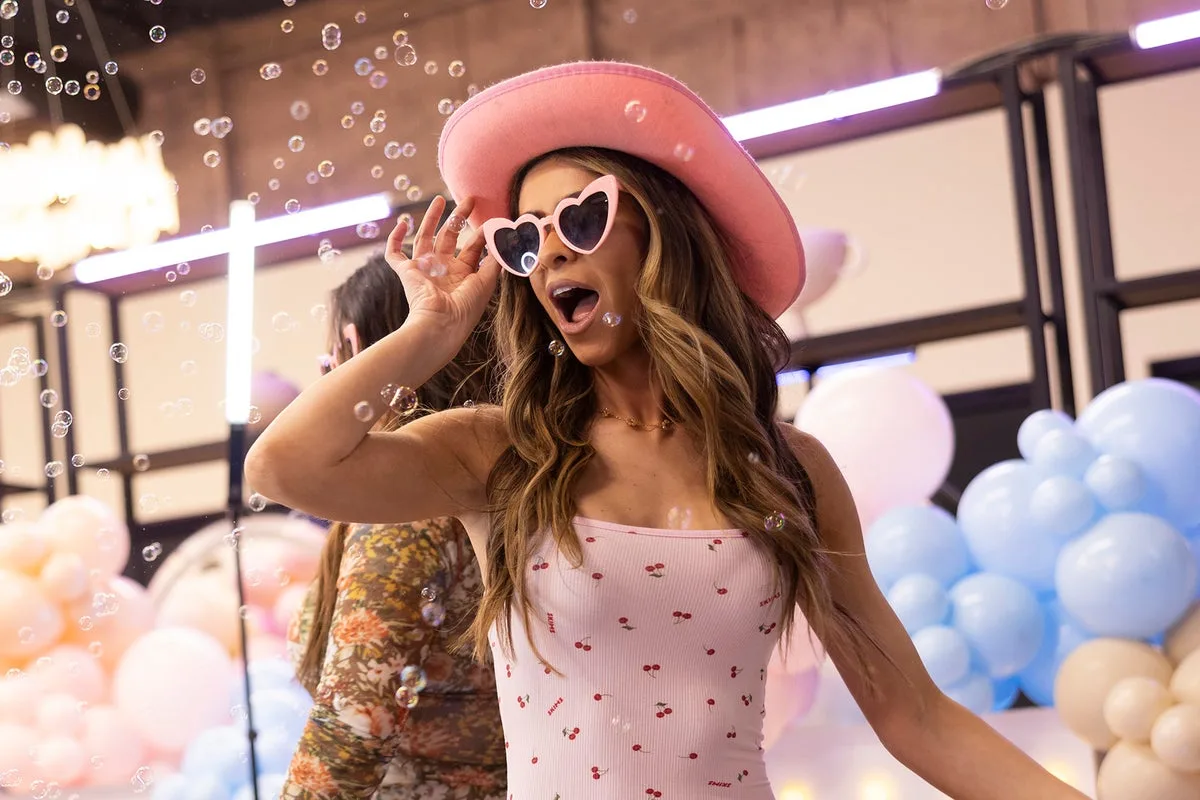
The women of MomTok, the glossy-haired group of twenty-something influencers who make up the cast of Hulu’s The Secret Lives of Mormon Wives, have built an empire. The group — all current or former members of The Church of Jesus Christ of Latter-day Saints — have secured book deals, brand sponsorships and spots on Dancing with the Stars. It’s no surprise, really, since Secret Lives became Hulu’s most-watched unscripted premiere of 2024, proving to be just as messy as a Real Housewives installment, with a side order of contentious theology. Think catfights, icy brunches and plastic surgery recovery scenes in between aerial shots of temples and churches.
Reality TV fans have lapped it up — but for some Latter-day Saints (their preferred term over Mormons), the series doesn’t sit well. “This is not the first time that the film and TV industry has misrepresented us, or sensationalized things in some way,” says Dallin Shumway, a 27-year-old social worker in Texas. He can see why the show has been successful: the title alludes to an assumed secrecy associated with the religion. “The angle always seems to be… these are the crazy Americans who live out West. It doesn’t really represent the life of a Latter-day Saint very clearly at all — at least if we’re talking about self-identified, practising members of the faith.”
Ken Brueck, a 43-year-old Latter-day Saint who lives in Utah and works in software, jokingly tells me that he would prefer the show to be named: “The Open Lives of People that Left the Church.” He says that Hulu’s title panders to the stereotype that Latter-day Saints are “these wholesome people, but secretly we’re oppressed and dying to break free, and we’re living this double life.” The reality is quite different, he says. “That’s where Secret Lives makes me uncomfortable, because there’s gonna be some percentage of people who will form their opinions of people like me based on the people in that show, and the things they do.”
Secret Lives returned for a third season on Thursday, following the cast as they grapple with an affair that sent shockwaves through MomTok and the spousal group DadTok. MomTok — created in 2022 by cast members Taylor Frankie Paul, Whitney Leavitt, Mayci Neeley and Mikayla Matthews — began as a space for dance videos and relatable parenting content. The series itself was born in the wake of a “soft swinging” scandal that nearly tore the clique apart, after Paul revealed in a TikTok livestream that she and her husband were divorcing following intimate encounters with other couples in Salt Lake City. The fallout from the controversy almost broke MomTok as other members saw themselves sucked into the swinging accusations. Still, there are plenty more issues for them to reconcile across the newest 10 episodes.
Throughout the series, the cast are engaged in an ongoing discussion about the social conservatism of their faith — where sex before marriage and homosexuality are prohibited — and whether they can change it. In the first episode of the series, Paul admits that she was forced into marrying her first husband by her mother and the Church because they were sexually active. Other stars have discussed wanting to “break stigmas” and modernize the faith. A handful of them drink alcohol; some abstain in line with the Church’s doctrine, but have looser interpretations of its teachings when it comes to ketamine therapy.
Last year, the Church issued a statement saying that recent media portrayals sometimes rely on “sensationalism and inaccuracies that do not fairly and fully reflect the lives of our Church members or the sacred beliefs that they hold dear.” Though it did not name Hulu or Secret Wives, the memo said that some recent productions “resort to stereotypes or gross misrepresentations that are in poor taste and have real-life consequences for people of faith.”