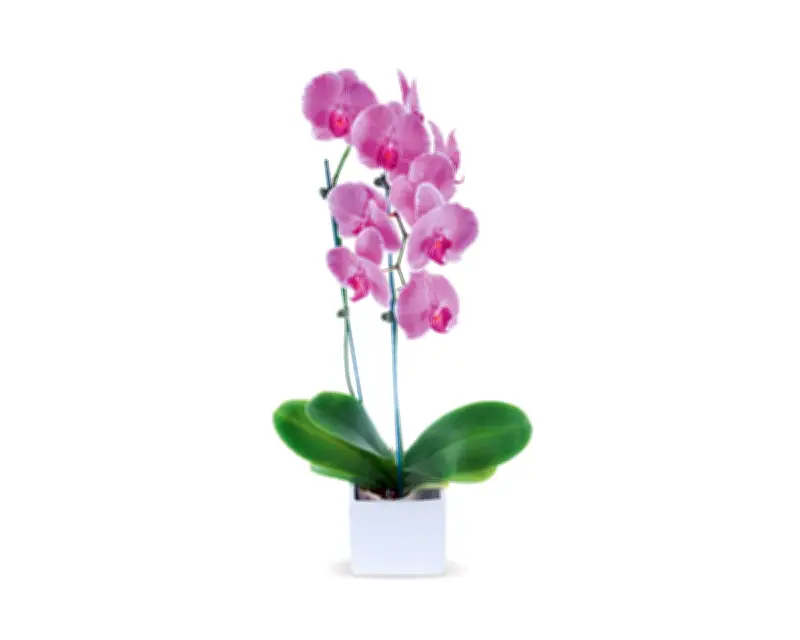
Many orchid owners experience the same cycle: purchase a blooming plant, enjoy the flowers, and then watch it fade into a pot of leaves and a bare spike. Often, the plant is discarded or left on a windowsill with occasional watering, but it is simply waiting for a specific signal to flower again.
The Key Signal: A Temperature Drop
Phalaenopsis orchids rebloom in response to a temperature drop. In their natural habitat, a cooler spell signals a change of season, triggering the plant to produce a new flower spike. Recreating this shift is the prompt most orchids are waiting for, and it is simpler than many think.
How to Trigger Reblooming
Once your orchid has finished flowering, move it to a cooler spot for four to six weeks. The temperature should drop by 5-10C, with night temperatures ideally between 10-18C. Keep the plant in bright indirect light and water weekly by sitting it in a shallow bowl of room temperature water for 30 minutes, then drain completely. Do not feed during this period. Once a new spike appears, move the plant back to its usual spot and feed with a liquid fertiliser every two to three weeks.
Tested and Proven
One gardener tested the method by moving a bare orchid to a cool north-facing windowsill, away from radiators. After a few weeks, a small green nub appeared at the base of the leaves, which developed into a full spike with eight buds. The verdict: the temperature drop trick costs nothing and works effectively. Most flowerless orchids are simply waiting for the right conditions to start again.