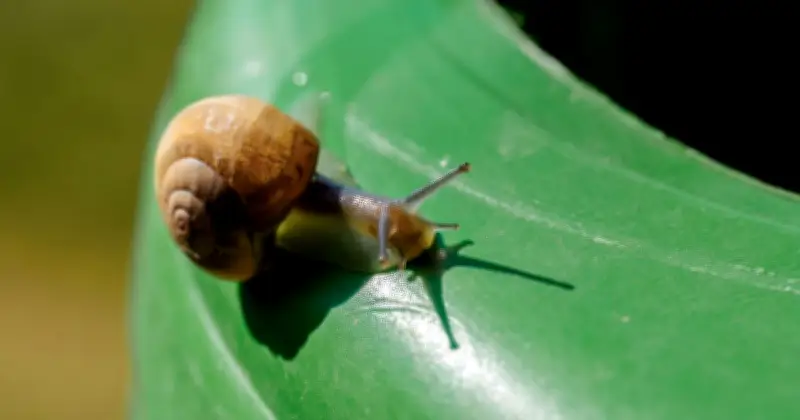
Gardeners looking to protect their plants from slugs and snails can turn to four specific plants that naturally repel these pests, according to gardening experts. Instead of relying on chemical deterrents, planting lavender, marigolds, rosemary, or daffodils can create a vibrant and pest-resistant garden.
Slugs and snails are naturally drawn to certain plants like salad greens and basil, but their sensitive sense of smell can be used against them. Plantura Magazine notes that many herbs have a repulsive effect on snails due to the intense scent of their essential oils.
Lavender: A Fragrant Deterrent
Lavender's strong aroma is well-known for its calming effect on humans, but it also repels snails, moths, fleas, and mosquitoes. According to Plantura, lavender is particularly effective when planted along paths or borders. It thrives in sun-soaked areas and requires minimal maintenance, making it suitable for gardeners of all experience levels.
Marigolds: Natural Insecticide
Marigolds contain a compound called pyrethrum, which acts as a natural insecticide. They are especially effective when planted beside vegetables such as tomatoes or courgettes. Marigolds are easy to grow and bloom for months, providing long-lasting protection.
Rosemary: Strong Scent and Texture
Rosemary's pungent fragrance and bitter taste deter slugs, while its dense, waxy leaves make it difficult for them to crawl over. It does not kill existing infestations but creates an effective barrier for vulnerable plants.
Daffodils: Spring Flowers with Alkaloids
Daffodils contain alkaloids that repel insects. They are low-maintenance perennials that return year after year with little care. Doug O’Connor, a garden expert from DeerFencing, said: "Natural pest control doesn’t have to be complicated. These four flowering plants are widely available across the UK, require little maintenance, and add colour as well as protection to your outdoor spaces."
O’Connor added: "Rather than relying on harsh sprays, which can harm pollinators and disrupt ecosystems, using companion planting gives gardeners a sustainable way to manage pests. It’s a win-win for biodiversity and your borders."