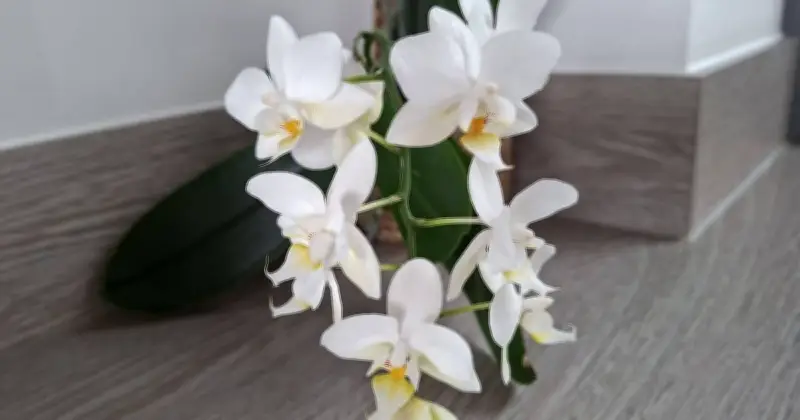
Many people discard their orchids once the flowers fade and fall, but one simple annual practice can encourage repeat blooming two to three times a year. Millie Bull, Deputy Editor at Spare Time, shares her hands-off approach that has kept her Phalaenopsis (moth orchid) thriving for years.
The Hands-Off Approach to Orchid Care
Overwatering, overfeeding, over-pruning, and too much sunlight are the main causes of orchid failure. Bull advises leaving orchids alone more than fussier plants, watering, feeding, and deadheading with a gentle touch. Orchids are epiphytes that require excellent drainage and airflow around their roots.
Watering Frequency for Reflowering
Water every seven to 10 days, reducing to once every two weeks during cooler winter months. Always ensure roots never sit in water by allowing the plant to drain thoroughly. Check root color: bright green means wait, silvery grey means it's time to water. Bull's preferred method is to place the orchid in a sink half-filled with tepid water for 10–15 minutes, then let it drain for another 10–15 minutes.
Feeding Orchids Without Harm
Overfeeding can cause yellow leaves, brown roots, and stunted growth. Bull uses orchid-specific fertiliser every three to four weeks during the growing season, skipping winter feeds. She recommends Baby Bio Orchid Food and always waters the root system with plain water first to prevent fertiliser burn.
Deadheading for Future Blooms
Once flowers fade, trim the flower spike back to the next visible node if the stem is still green and healthy. Only cut to the base if the stem turns brown or straw-like. Each node can produce a new flower spike, encouraging future blooming.
Positioning for Optimal Light
Place orchids in bright indirect light; direct sunlight scorches leaves. East- or west-facing windows are ideal. Bull keeps hers in the kitchen with varying light. Bathrooms offer high humidity, or use a tray of moist pebbles to boost humidity.