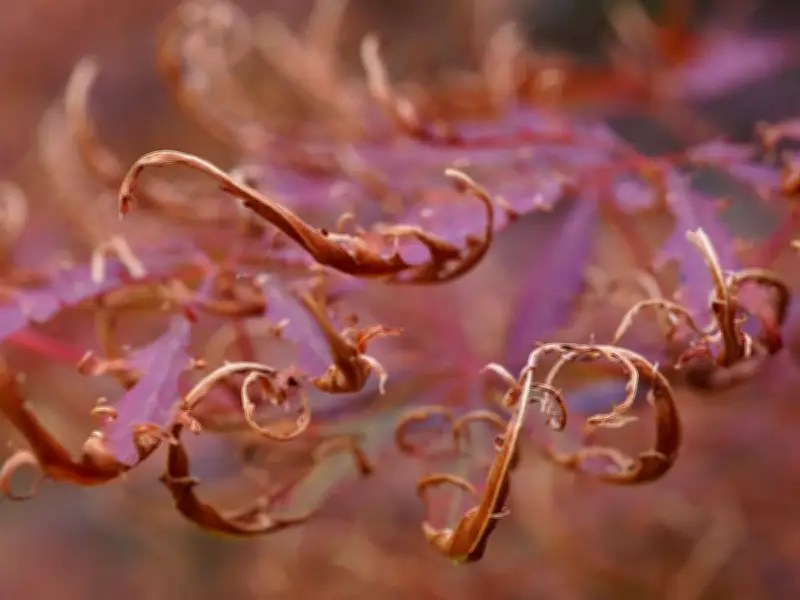
Japanese maples, known for their striking foliage, have become a popular choice in British gardens but require extra care during hot weather to prevent leaf scorch. These trees naturally grow in woodland settings in Japan, where they are shaded by larger trees and benefit from decomposing leaves that retain moisture. However, their shallow root systems make them prone to drying out quickly in the UK's summer heat, causing leaves to turn brown, wilt, or drop off entirely.
Simple mulching method protects Japanese maples
Gardener Tom Warren, known online as The Plant Doctor, has shared a straightforward method to safeguard Japanese maples in warm weather: using mulch. He recommends organic materials, particularly pine straw or pine bark nuggets, to create a protective barrier. According to Warren, mulching helps keep the soil cool and provides essential insulation for the roots, which grow near the surface.
Why mulching is essential for Japanese maples
Mulching involves placing organic matter around a plant to enrich the soil and regulate root temperature. For Japanese maples, this technique is especially effective because it shields shallow roots from heat exposure and reduces water evaporation. This keeps the soil damp for longer, decreasing the need for frequent watering. Pine straw is often recommended as it mimics the tree's native environment with its loose, leaf-like texture. However, pine straw decomposes faster and requires more regular replacement, while pine bark is more durable and lasts longer. Both options are suitable, with pine straw blending more naturally into garden landscapes.
How to properly mulch a Japanese maple
To mulch a Japanese maple, start by clearing the area around the tree, removing weeds, loosening the topsoil, and watering if the ground is dry. Spread the mulch in a circular pattern around the tree, ensuring it does not touch the trunk. Contact with foliage or bark can trap moisture and promote mold growth. The goal is to form a doughnut-shaped ring of mulch around the base. After applying, water the mulch thoroughly to help it settle into the soil. This simple step can keep the tree healthy throughout spring and summer.