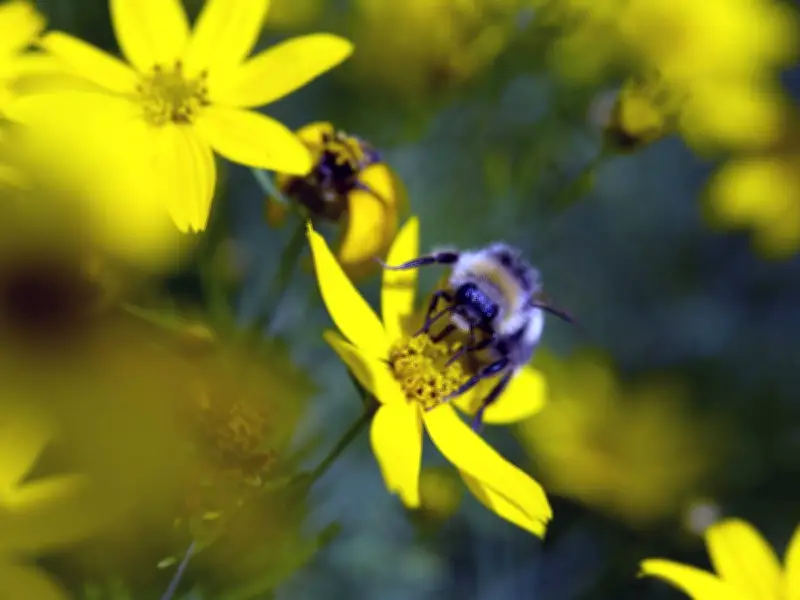
Over the past two decades, the number of insects found in gardens throughout the UK has fallen dramatically. Climate change, the loss of natural habitats and intensive farming practices have all played a significant role in this decline.
Why Pollinator-Friendly Plants Matter
In a bid to reverse the dwindling numbers of flying insects and pollinators, gardeners are being encouraged to introduce pollinator-friendly plants into their outdoor spaces. Fortunately, the UK boasts an abundance of beautiful plants that can serve as a vital lifeline for the insect population.
Gardening expert Chris Bonnett from GardeningExpress.co.uk said: "I can't stress enough how important insects are in the garden, and not just for pollination. They act as natural pest control, eating aphids including greenfly and blackfly. Others like beetles and ants break down decaying leaves and other organic matter which puts nutrients back into the soil. Added to that, they're a food source for other wildlife including birds, frogs, hedgehogs and bats."
Seven Top Blooms for Bees and Butterflies
Lavender
Celebrated for its soothing scent and striking spikes of purple blooms, lavender remains one of the most cherished plants in British gardens. It is also remarkably low maintenance, flourishing in full sun with minimal watering. All it requires is the occasional trim to prevent it from becoming too woody.
Buddleja (Butterfly Bush)
The name rather gives this one away — butterflies are absolutely drawn to it. It is abundantly rich in nectar and thrives in well-drained soil and full sun. Simply remember to shape and prune it each spring to keep it in good health.
Honeysuckle
Not only is its fragrance a delight for humans, but honeysuckle is also extraordinarily beneficial for insects. Its blooms are packed with nectar and pollen for a range of bugs, including bees, butterflies and night-flying moths. New shoots attract aphids, which in turn draw helpful insects such as ladybirds into the garden. Honeysuckle is straightforward to cultivate but will require pruning following either its summer or winter flowering. Remove any dead, diseased or crossing branches and cut back unruly stems to maintain a lush appearance.
Hardy Geraniums
These delightful flowers bring a vivid splash of colour to any garden and, even better, they act as a magnet for bees and butterflies. Brimming with nectar and pollen, they demand very little upkeep. Cut them back firmly after their initial bloom to encourage a fresh flush of flowers later in the season.
Ivy
Ivy provides an excellent habitat for caterpillars and during autumn it attracts bees, wasps and late-flying butterflies. Throughout the winter months, it shelters insects from the harshest conditions.
Verbena
Bees and butterflies are particularly drawn to verbena. The plant produces nectar-rich flowers that attract pollinators such as bees and butterflies. These easy-care plants thrive in full sun — take care not to overwater them to avoid root rot.
Sunflowers
Sunflowers are a delight in any garden, with their large, vibrant yellow flower heads making a striking impression. Bees adore them — the blooms provide a plentiful supply of nectar and pollen. Once the flowers have finished, leave the seed heads intact to feed the birds, or collect them to replant for another display of flowers the following year.
Planting beneficial species in the garden is the very least we can do to encourage insects. There are some fragrant, colourful and evergreen suggestions which will maintain interest in the garden, and most importantly, attract bees, butterflies and other bugs.