
Scientists have identified a brain abnormality that could help distinguish cold-blooded killers from those who act impulsively. A study of 37 accused murderers awaiting trial revealed a shrunken amygdala, a region responsible for emotion regulation and moral decision-making, in those who premeditated their crimes.
Key Finding: Amygdala Volume Reduction
Researchers found that convicted killers had an amygdala nearly six percent smaller than average. However, those who meticulously planned their murders showed a more severe reduction of 14.3 percent. Lead author Professor Adrian Raine from the University of Pennsylvania stated: "It's the more 'cold-blooded' murderers who have blunted emotions as indicated by this impairment in the amygdala; an impairment that can contribute to a lack of concern for others."
Study Methodology
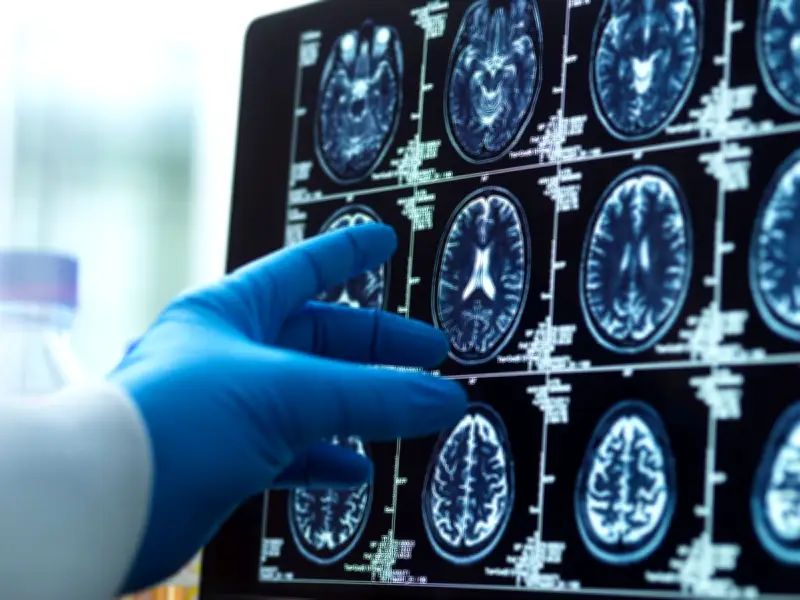
Previous studies on the "murder gene" were skewed because prison environments alter brain structure. Professor Raine's study bypassed this by scanning suspects in China undergoing psychiatric evaluation weeks or months after their crimes, before prison could warp their minds. Using advanced structural MRI scans, the team mapped the killers' brains and traced the amygdala's boundaries.
Brain Regions Involved
The shrinking occurred in zones tied to learning from fear and avoiding bad outcomes, areas linked to aggressive behavior. The study also found a smaller lateral orbitofrontal cortex in these killers. Professor Raine noted: "Interestingly, other studies have shown that healthy controls show increased activation of this brain area when they accidentally kill an innocent victim in a video game, giving them a sense of guilt for their wrongful action. But if this brain area that gives rise to that sense of guilt is diminished, as it is in murderers, then that can take the brake off killing someone."
Psychopathic Traits
Psychiatrists evaluating the suspects found that those with the smallest amygdalas scored highest for psychopathic traits, particularly "emotional shallowness" and a total lack of remorse. Even in non-criminal citizens, a smaller amygdala correlated with higher psychopathic tendencies, predisposing them to violence.
Limitations and Future Directions
Professor Raine cautioned: "Brain scans can help reveal abnormalities that are associated with an increase in the likelihood of committing crime, but prediction is not perfect. Some murderers have completely normal brain scans, and some normal people have abnormal brain scans. But in combination with social, psychological and health factors and the use of artificial intelligence and machine learning, prediction is likely to be improved in the future."




