Playwright James Graham, known for works such as Dear England, Ink, and Sherwood, has credited his career to publicly funded art, emphasising its role in enabling communities to tell their stories. In a piece marking the 80th anniversary of Arts Council England, Graham reflects on the power of theatre to foster nuance and empathy in a polarised world.
The Flag Controversy and Theatre's Superpowers
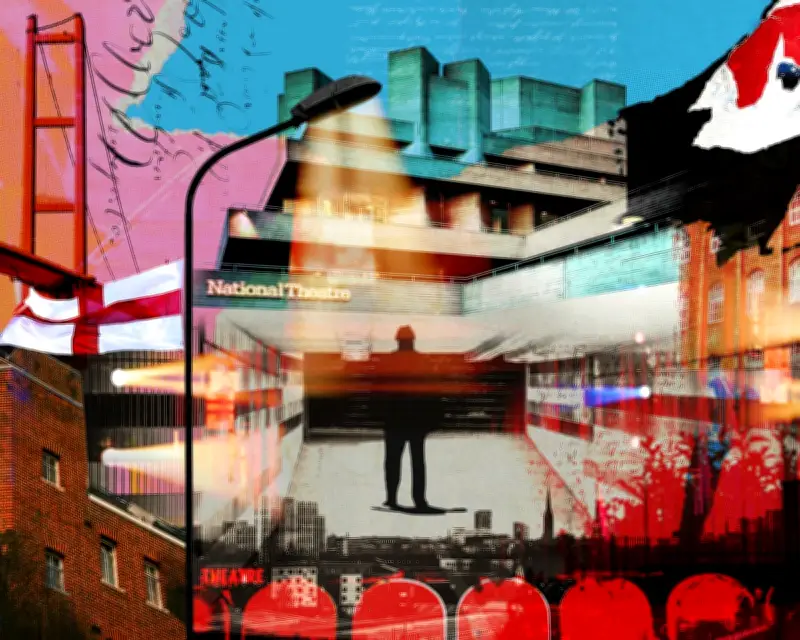
Graham describes the opening night of Dear England at the Nottingham Theatre Royal in September 2025, where a St George's Cross flag was unfurled on stage. The flag, he notes, had become a "toxic hot potato" after a guerrilla campaign to hang it on lamp-posts across England in summer 2024. The play, which explores Gareth Southgate's tenure as England men's football manager, had already sparked discussions about national identity during its runs at the National Theatre and in the West End. Graham praises theatre's ability to handle such sensitive symbols with nuance, calling its superpowers "nuance and empathy."
Personal Journey and the Role of Public Funding
Graham recounts his first live Shakespeare experience at age 16, seeing Macbeth starring Pete Postlethwaite at the same theatre where Dear England later played. He later worked as a stage door keeper there, often sitting on the empty stage and dreaming of creating his own work. He credits the publicly funded cultural sector, established 80 years ago with economist John Maynard Keynes's vision, for his development as an artist from an unlikely background. Keynes, Graham notes, saw no contradiction between fiscal discipline and state investment in culture for long-term wellbeing.
Graham also highlights the impact of new writing, such as Roy Williams's Fallout at the Royal Court and David Hare's A Permanent Way at the National Theatre, which taught him theatre's power to mark national inflection points and make collective sense of them.
Hull City of Culture and Community Pride
During Hull's tenure as UK City of Culture in 2017, supported by Arts Council England, Graham witnessed storytelling's ability to empower a place. Work produced covered the collapse of the fishing industry, Hull's role in the slave trade, environmental change, and the English civil war. An evaluation found that three out of four residents felt increased pride in place, and self-esteem rose markedly among young people. Graham recalls an elderly man at the opening event saying with emotion, "We just don't normally get this sort of thing round here."
Reversing Arts Deprivation in the East Midlands
Graham notes that a decade ago, his home constituency of Ashfield ranked 647th out of 650 in access to art and culture. The wider East Midlands, including red wall towns and villages, was bottom in both public and private investment. However, in July 2024, Arts Council England invested £1 million in Ashfield Creates, a three-year programme to transform arts access and participation. Graham calls this a "Keynesian intervention."
Graham concludes that while stories alone cannot fix all social ills, they have proven disproportionately effective in helping people know themselves and see themselves as part of a bigger picture. He quotes his own words from a BBC montage for the England final at Euro 2024: "A country is only the stories we tell ourselves, about ourselves. A series of moments, seared into one memory, stitched together across time … Nothing is ever really ‘final.’ England is a story we’re all writing."