This summer, new films from legendary directors Steven Spielberg and Christopher Nolan have been heavily promoted through press tours. While traditional interviews offer insights, a growing trend sees stars like Matt Damon, Anne Hathaway, and Zendaya participating in gimmicky games such as "Would You Rather" and snack rankings on platforms like LADBible and YouTube. These segments, often tied to shows like The Tonight Show Starring Jimmy Fallon, prioritize viral content over meaningful conversation.
The Rise of Gimmicky Press Tours
Christopher Nolan recently appeared in a 60-second yes-or-no video for Back2FilmSchool, where he answered rapid-fire questions about retirement, superhero movies, and Interstellar. While informative, the format felt empty. Similarly, Anne Hathaway has played countless games this year while promoting five films, including The Devil Wears Prada 2. These segments, designed for TikTok and YouTube, often reduce A-listers to performing scripted rhymes or ranking snacks.
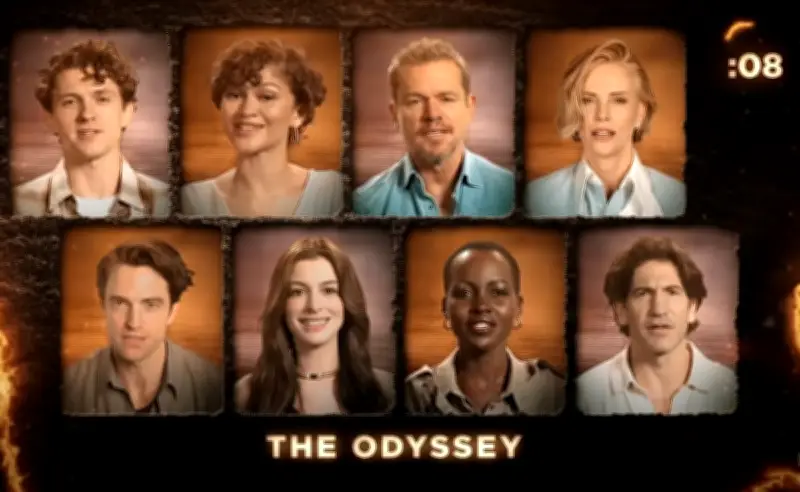
According to a journalist familiar with press arrangements, websites like LADBible typically wouldn't secure interviews with top stars. Yet they now host viral game segments, blending promotion with entertainment. This "Fallon-ification" of journalism replaces traditional interviews with games, as seen in Jimmy Fallon's all-star plot recaps for The Odyssey, where celebrities recite rhymes in rapid cuts.

Impact on Journalism and Audiences
Publicists argue these videos boost awareness, not necessarily desire to see the film. However, the trend diminishes the art of interviewing, as name publications with skilled journalists are gutted in favor of video content. Viewers may enjoy celebrities goofing off, but the forced nature of these segments often leaves stars looking irritated. As one journalist noted, genuine interviews rarely produce the same regret as clicking on a gimmicky video.
The sheer volume of such content, at a time when quality journalism is underfunded, feels like a victory for video over substance. While studios aim for viral moments, the result is a promotional cycle that prioritizes endless-scroll regret over meaningful engagement with films.