Writers reflect on television programmes that were once must-see viewing but have since soured. From reality shows to sitcoms, they explain why these series now feel tainted, uncomfortable, or simply unwatchable.
America's Next Top Model
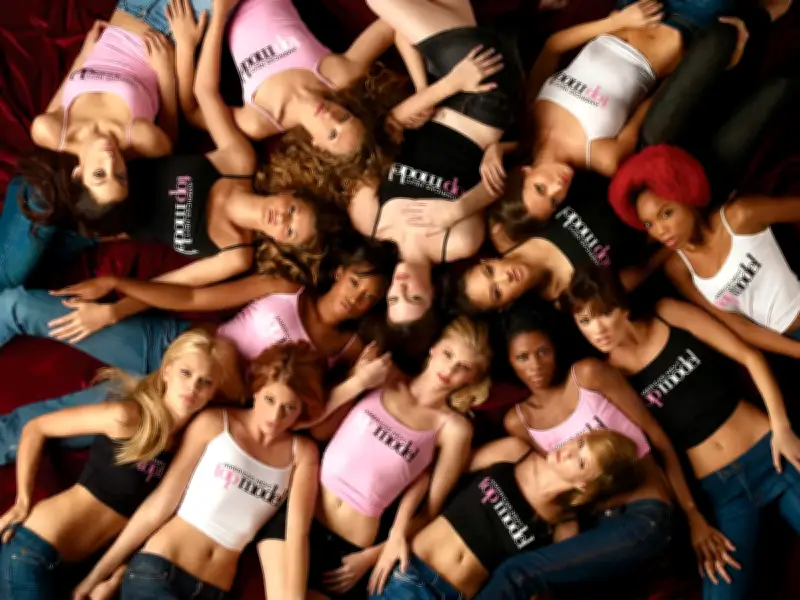
Sirin Kale recalls teenage summers spent watching the show for hours, critiquing contestants with her sister. The makeover episode was a favourite, with girls sobbing as their hair was cropped or shaved off. At the time, Tyra Banks seemed like a big sister offering tough love for a ferociously competitive industry.
After recently watching Netflix's Reality Check: Inside America's Next Top Model, Kale found rewatching episodes from more than two decades ago a strange sensation. She questions the influence of a show that celebrated eating disorders and now finds scenes of models collapsing with hunger utterly abhorrent. 'I can't watch America's Next Top Model any more, nor do I want to. Ironically, it's all too ugly.'

The Apprentice
Stuart Heritage asks whether any show has a worse legacy than The Apprentice. The American original legitimised Donald Trump, while the British version preaches competitive selfishness and relentless greed. Heritage wonders why people still apply and why anyone still watches, admitting he can't believe he used to enjoy it.
Good Omens
Alexi Duggins loved Terry Pratchett's writing from an early age, and the Prime Video adaptation of Good Omens was a joy. David Tennant and Michael Sheen's chemistry, Gaiman's fidelity to the book, and decent special effects made it treasured TV. But after Gaiman became embroiled in sexual assault allegations, which he denies, Duggins hasn't even seen the finale. 'This used to be TV that took me to my happy place. Now, not so much.'
The Office
Rachel Aroesti still considers The Office a masterpiece of satire and character study. Yet revisiting it a quarter of a century later means confronting the relentless sexist banter of the era with nauseating accuracy. The wink-wink misogyny might seem quaint compared to today's manosphere, but it feels deeply disconcerting. Aroesti notes that one rewatch should cure most cases of Y2K nostalgia.
Married at First Sight
Isabelle Aron started watching Married at First Sight Australia for light relief during lockdown. The premise sees couples matched by experts and meeting at the altar, followed by honeymoons and commitment ceremonies. But a BBC Panorama investigation into Mafs UK revealed allegations of rape and sexual assault, with accounts from three women. Female participants on Mafs Australia have also spoken out about the vetting process. Aron says knowing what's gone on behind the scenes means she wouldn't watch it now.
This Life
Chitra Ramaswamy was 17 when This Life aired, a show full of miniskirts, Marlboro Lights and wild shagging. On a nostalgic rewatch, she managed about three episodes before nearly dying of casual sexism, homophobia and boredom. 'Never again.'
I'm a Celebrity ... Get Me Out of Here!
Phil Harrison found the show a guilty pleasure for years, with Ant and Dec's teasing making viewers feel in on the joke. Everything changed in 2023 when Nigel Farage signed up. Harrison saw Farage as a poisonous figure trading on the electorate's worst instincts and being allowed to massage his image in primetime. He hasn't watched since, though he notes The Celebrity Traitors now offers a more palatable alternative.
The Great British Bake Off
George Francis Lee says Bake Off was ruined when Channel 4 bought the rights from the BBC. Presenters Mel Giedroyc and Sue Perkins, along with Mary Berry, did not follow the show, while Paul Hollywood stayed. The cutthroat affair felt incongruous with the show's image of wholesome Britain, teaching Lee that sometimes there's a soggy bottom waiting.
Entourage
Michael Hogan describes Entourage as 'toxic masculinity – the TV show'. Based on Mark Wahlberg's life, it followed a movie star and his posse chasing women while fetishising cars and money. Agent Ari Gold was a workplace bully whose treatment of assistant Lloyd was racist and homophobic. Over eight seasons and a flop film sequel, it went from insider satire to douche-bro fantasy.

Euphoria
Leah Harper felt torn over the final season, disappointed by Rue's evolution and Kat's absence. Online discourse calling out the show for male-gaze misogyny and descent into 'fetish slop' made watching less fun. Jules's turn as a sugar baby was not enjoyable either.
Coupling
Ann Lee first watched Coupling in 2000 and thought it a riotous comedy. On rewatch, she couldn't get past the vacuous characterisation of women, with 'jokes' about 'unflushables' and sex tapes recorded without consent. It was like watching a sitcom written by Nuts magazine, every bit as sexist and unfunny as that sounds.
House of Cards
Jack Seale says House of Cards didn't work without Kevin Spacey, but with Spacey cast out, the earlier seasons are unwatchable too. The unique thrill of liking Frank Underwood, who was honest in his asides to camera and good at lying and killing, is impossible to maintain given the allegations about Spacey's personal conduct.