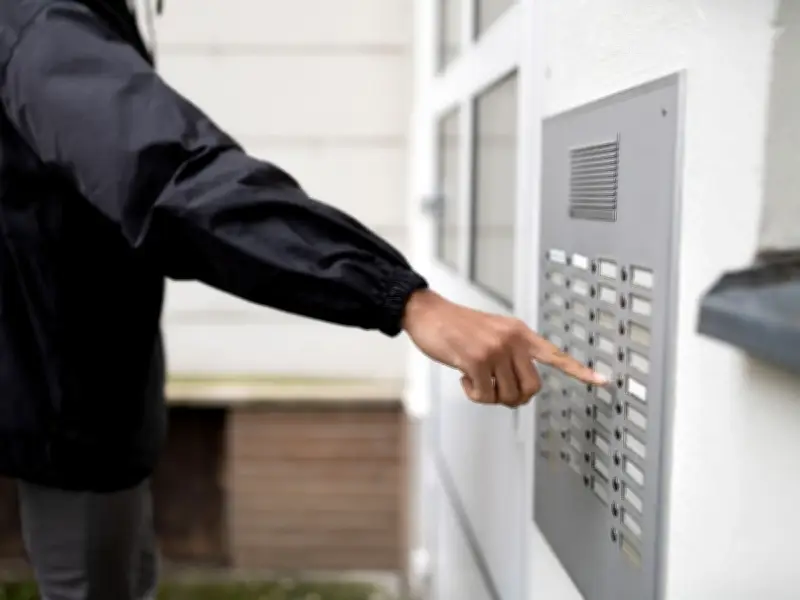
A lawyer has explained your legal rights if a TV licence officer pays a visit, including the locked gate rule that could make all the difference. He also set out a crucial caveat regarding warrants.
The advice comes as BBC TV licence numbers have fallen by around half a million in a year, with households declaring they don't need one now at 3.7 million, climbing by 62,000. BBC chief financial officer Bérangère Michel has said the trend isn't "changing back" and will instead accelerate.
The Legal Advice
In a 2021 video, practising barrister Daniel J. ShenSmith set out rights for those who have a TV but no licence and have concluded they don't need one, yet receive "letter after letter" from TV Licensing. He explained on his YouTube channel, BlackBeltBarrister: "The short version is you can simply ignore these letters and tell any visiting agents to leave your property."

He stressed the video was not intended to "encourage" anyone who needs a TV licence to avoid paying.
Caveat on Warrants
Smith noted an important caveat: "if there is a warrant issued by a magistrate or a sheriff in Scotland to search the premises, because there's a reasonable suspicion that an offence has been committed, i.e., you're watching TV without a licence, then it may amount to an offence to obstruct the lawful execution of said warrant." This also applies if a magistrate has issued a fine for non-payment. However, in the absence of a warrant, there is no lawful authority for TV licensing agents to enter your property without permission.
Locked Gate Rule
He explained: "And this includes if there is a locked gate at the front. If the gate is locked, then the implied right of access stops at that point, because it is a locked gate and it is this implied right of access that makes this whole situation quite interesting."
Anyone with "genuine" business has an implied right to walk up to the door and knock or ring, but this can be "revoked". Smith said: "You can simply tell somebody to get off your property. You could be very specific and tell them that you have revoked their implied right of access to your property." Otherwise, a sign on the front of your home, outside the gate, or a "standalone sign" can demonstrate revoked access.